
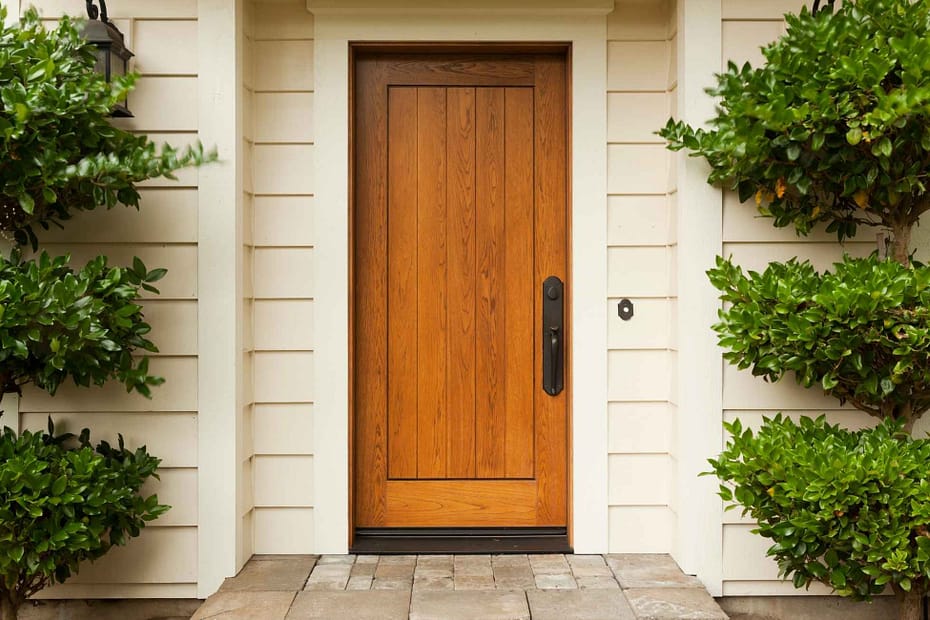
For homeowners, improving your home’s comfort and reducing energy bills often starts with the front door. Old or poorly sealed exterior doors allow heat to escape during the winter and warm air to enter during the summer. This energy loss doesn’t just increase your heating and cooling costs. It also reduces indoor comfort and can even lower your home’s resale value.
That’s why many families are turning to energy-efficient front doors. The right energy-efficient door balances design, insulation, and durability, while also complementing your home’s architectural style. At Madison Door, we specialize in helping homeowners select and install the perfect entry door for their needs. We combine high-quality products from trusted brands like ProVia with expert installation for long-term results.
Why Energy Efficiency Matters for Front Doors
The front door is more than just a style statement. It’s a key factor in your home’s energy efficiency. According to the U.S. Department of Energy, exterior doors that are old, poorly insulated, or improperly installed can lead to significant heat loss, drafts, and rising energy costs. In Madison, NJ, a leaky front door raises heating and cooling costs, reduces comfort, and strains HVAC systems. Choosing a modern, Energy Star-certified door helps reduce air leakage and create a tighter seal. It also stabilizes indoor temperatures year-round.
Beyond comfort, energy-efficient doors also improve your home’s value. Buyers actively look for houses with Energy Star label products. Installing a new main entry door is consistently ranked among the best energy-efficient door upgrades for return on investment. For many homeowners, the right entry door delivers both immediate energy savings and long-term property value.
Key Features of an Energy-Efficient Front Door
Not all doors are created equal. When evaluating energy-efficient front doors, it’s important to understand the features that directly affect performance.
Insulating Materials
The material of your door is one of the biggest factors in its energy efficiency. For example, fiberglass doors offer low maintenance, resist warping, and provide excellent insulation with a polyurethane core. Meanwhile, steel doors are strong, durable, and affordable, but they require a thermal break to limit heat transfer. On the other hand, wood doors deliver classic style, but solid wood often loses heat faster and requires more upkeep. In contrast, composite doors balance efficiency, durability, and design. Overall, in Madison, NJ, fiberglass and insulated steel doors offer the best energy-efficient solutions while still allowing versatile style options.
Glazing Options for Energy Savings
Doors with glass panels add beauty and natural light, but they can also increase energy loss without the right features. Choosing double or triple glazing with low-E coatings helps reduce solar heat gain in summer and prevents heat loss in winter. Additionally, gas fills such as argon provide an extra layer of insulation. With the right decorative glass options, homeowners can enjoy style and light without sacrificing energy efficiency.
Sealing & Weatherstripping
Even the most energy-efficient doors lose performance if they allow air leaks. That’s why high-quality weatherstripping and properly installed thresholds are essential. Modern entry doors often feature adjustable sweeps for better protection. They may also include multi-point locking systems to create a tighter seal and maintain the door’s energy efficiency.
How to Read Energy Performance Ratings
Shopping for an energy-efficient entry door can feel overwhelming if you’re not familiar with performance ratings. The U-Factor measures how well a door prevents heat loss, with lower values providing better insulation, ideally 0.30 or lower in the Northeast climate zone. The Solar Heat Gain Coefficient (SHGC) shows how much solar radiation passes through glass. Lower SHGC values help in summer, while slightly higher values can reduce heating needs in colder climates. The R-value indicates insulation effectiveness, with higher numbers reflecting stronger insulation.
Another key factor is the NFRC Label, provided by the National Fenestration Rating Council, which certifies doors and windows to ensure performance claims are accurate. When comparing products, always look for the ENERGY STAR label, which confirms that a door meets or exceeds the Environmental Protection Agency’s ENERGY STAR program standards. This certification helps homeowners make smarter choices for energy efficiency and long-term savings.
Comparing Door Materials for NJ Homes
Different materials provide different levels of efficiency, maintenance, and style. The table below highlights the factors that contribute to performance:
| Material | Typical U-Factor | Durability | Maintenance | Cost Range | Best Use in NJ |
| Fiberglass | 0.25–0.35 | High | Low | $$–$$$ | Cold & humid climates |
| Steel | 0.30–0.45 | Very High | Low | $–$$ | Budget-friendly, secure |
| Wood | 0.50–0.70 | Moderate | High | $$–$$$ | Style-focused, traditional |
| Composite | 0.25–0.35 | High | Low | $$–$$$ | Balanced option |
Installation: The Hidden Factor in Energy-Efficient Doors
Even the best energy-efficient door won’t perform as expected without proper installation. A misaligned rough opening, skipped insulation, or poor sealing causes air leaks that waste energy and reduce a door’s performance. In fact, according to the National Fenestration Rating Council, performance ratings only hold true when the product is installed correctly. Even an Energy Star-certified door can lose effectiveness if it is fitted improperly.
At Madison Door, our installation process ensures your new entry door achieves maximum efficiency. We use pre-hung doors for a precise fit, square and shim all openings, and insulate with low-expansion foam to prevent gaps. Sill pans, flashing, and weather barriers are applied to protect against moisture and air infiltration, while multi-point locking hardware enhances both security and a tighter seal. Our installers check alignment and make finishing adjustments to reduce drafts. This ensures your investment delivers lasting energy savings and consistent comfort.
Cost & ROI of Energy Efficient Front Doors
One of the most common homeowner questions is, “How much will a new front door installation cost?” In New Jersey, the typical price for an energy-efficient entry door ranges from $1,500 to $5,000, depending on material, glass panels, and customization. While the upfront investment may seem high, the long-term benefits make it worthwhile.
Homeowners gain lower heating and cooling bills from reduced energy loss, along with increased home value, as entry door replacements average a 65–70% ROI. Many Energy Star-certified doors also qualify for tax credits under the federal energy-efficient products program. When combined with long-term durability and lower maintenance, selecting the right door makes both financial and practical sense.
Style & Design Options That Don’t Sacrifice Efficiency
Some homeowners worry that choosing an Energy Star-certified door limits their design options, but the reality is quite the opposite. With trusted brands like ProVia, homeowners can select from a wide range of styles, colors, and finishes without sacrificing energy performance. Whether you’re looking for a traditional or contemporary look, modern energy-efficient doors offer a balance of form and function.
Popular choices include Craftsman-style doors with decorative glass, which add warmth and character. Traditional colonial entry doors with sidelights offer timeless elegance and enhanced light flow. Meanwhile, modern designs with clean lines and minimal hardware are favored by contemporary homeowners for their sleek, minimalist appeal. Additionally, incorporating features like shutters, skylights, and coordinated hardware boosts curb appeal and enhances energy efficiency through better insulation and light.
Conclusion
Upgrading to an energy-efficient front door is one of the best decisions a homeowner in Madison, NJ, can make. The right door reduces drafts and improves comfort. It also lowers energy bills and enhances curb appeal. At the same time, it balances style and performance with modern energy-efficient products. Many of today’s Energy Star-certified doors also qualify for federal tax credits or rebates, helping homeowners save more while adding long-term value.
At Madison Door, we help you select and install the perfect entry door for your home. From material and glass options to expert installation, our team makes the process seamless and stress-free. Request a quote today and discover how a new door installation can boost your home’s comfort, efficiency, and value.
FAQs
What are the most energy-efficient front doors?
The most energy-efficient front doors are typically fiberglass doors and insulated steel doors with a polyurethane core, tight seals, and low-E glass panels. These doors reduce air leakage, prevent heat loss, and often carry the Energy Star label.
What type of door is best for energy efficiency?
The type of door that is best for energy efficiency is one that combines strong insulation with a tighter seal, such as a fiberglass entry door or an insulated steel door. Both options provide superior durability and lower energy costs in climates like Madison, NJ.
What is the best material for energy-efficient exterior doors?
The best material for energy-efficient exterior doors is fiberglass, because it resists warping, offers low maintenance, and provides excellent insulation. Composite doors are also a strong option, while solid wood doors are less efficient and require more upkeep.
How can I make my front door more energy-efficient?
You can make your front door more energy-efficient by adding high-quality weatherstripping, upgrading to low-E glass panels, and sealing gaps to reduce air leakage. Installing an Energy Star-certified door or improving insulation around the rough opening can also deliver significant improvements.