
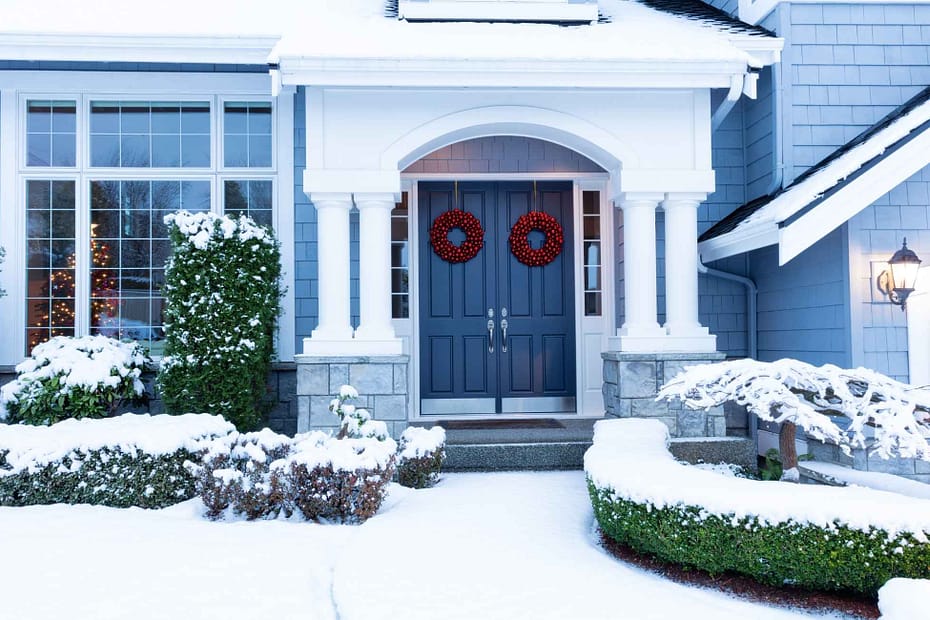
As the seasons change and the cold weather sets in, ensuring your home stays warm and energy-efficient becomes crucial. One of the best ways to prevent heat loss and reduce your heating bills is by upgrading your front door. A high-quality, energy-efficient front door not only enhances your home’s curb appeal but also serves as a protective barrier against the harsh cold. This guide will walk you through the best front doors for cold weather, focusing on energy-saving features, insulation, and durability.
With the right door, you can keep the cold at bay, reduce drafts, and increase your home’s overall efficiency. But with so many options available, how do you choose the best front door for your specific needs? Whether you’re upgrading an existing door or replacing an old one, Madison Door is here to help. This guide covers all the essentials, from the best materials to installation tips and maintenance advice. We’ve got you covered every step of the way.
Why Cold Weather Matters for Front Doors
Cold weather can cause significant discomfort and increased energy costs if your front door isn’t equipped to handle the demands of winter. When temperatures drop, an uninsulated or poorly sealed door can lead to heat escaping from your home, forcing your heating system to work harder. This results in higher energy bills and an overall less comfortable living environment.
Front doors in colder climates need to be able to withstand freezing temperatures, heavy winds, and moisture. For this reason, materials like fiberglass, steel, and composite are often preferred as they offer superior thermal resistance. Additionally, high-quality seals, weatherstripping, and insulation are essential to keep drafts from sneaking in. Ultimately, selecting the right door for cold weather ensures that your home remains warm, energy-efficient, and comfortable throughout the winter months. Understanding how the door’s material, design, and installation affect its performance is key to making the best decision.
Best Door Materials for Cold Climates
Choosing the best door material for cold weather is essential in keeping your home protected from the elements. Certain materials provide better insulation, durability, and resistance to harsh temperatures. Let’s break down some of the top choices for front doors in cold climates.
Fiberglass Doors
Fiberglass entry doors are a popular choice for cold weather because they combine durability with excellent thermal efficiency. These doors have a thick core that’s typically filled with insulating foam, and their outer skin can mimic the appearance of wood while offering superior resistance to moisture, which is a common issue in colder climates. Additionally, fiberglass is more energy-efficient than many other door materials, providing long-term savings on your heating bills.
Steel Doors
Steel exterior doors are known for their strength and security, making them an excellent choice for homes in areas with extreme cold. It is inherently durable, and when paired with an insulated core, it can provide impressive thermal resistance. The steel doors can be slightly more prone to denting than other materials, but their durability and energy efficiency make them an excellent choice for cold climates.
Composite Doors
Composite doors, which are made from a combination of materials like wood, fiberglass, and plastic, offer a balance between strength and insulation. These doors are highly energy-efficient and provide better temperature control than wood doors. The material’s resistance to warping and moisture damage makes it a great option for regions where temperatures fluctuate.
Each of these materials offers distinct benefits, depending on your priorities, whether it’s energy efficiency, durability, or aesthetics.
How to Choose the Right Front Door for Cold Weather
When choosing the best front door for cold weather, there are a few key factors to keep in mind to ensure it provides the insulation and durability your home needs. It’s not just about picking a door that looks good; it’s about selecting one that will perform well in the face of harsh conditions.
Energy Efficiency
One of the most important considerations when selecting a cold-weather door is energy efficiency. Look for doors with a high R-value, which measures the door’s resistance to heat flow. The higher the R-value, the better the door will insulate your home and prevent energy loss.
Sealing and Weatherstripping
Even the most well-insulated door won’t be effective if the seals aren’t up to standard. Ensure that the door you choose comes with high-quality weatherstripping or that you can easily add it yourself. Proper sealing ensures that no air leaks through the edges, which is critical for maintaining a warm and energy-efficient home during winter.
Glazing
When considering the glass in your door, look for doors that offer double or even triple glazing. Low-E (low emissivity) glass is ideal because it helps reflect heat into your home, increasing the door’s energy efficiency. For maximum insulation, doors with insulated glass units (IGUs) are a must.
Durability and Maintenance
Finally, choose a door that will stand up to the wear and tear that comes with cold weather. Materials like fiberglass and steel tend to be more durable and require less maintenance than wood doors, which can swell or warp in extreme cold. Ensure the door is easy to maintain, particularly if you’re in a location with heavy snow or ice buildup.
Top Recommendations for Best Front Doors for Cold Weather
Now that we’ve covered the key features to look for in a front door that holds up in cold weather, here are some of the best options in Madison Door as a standout for custom installations:
Andersen 400 Series Fiberglass Door
Andersen is known for its quality, and the 400 Series fiberglass entry door is no exception. With an insulating core and low-maintenance finish, it’s perfect for cold climates. The door’s design includes energy-efficient glass options, making it a great choice for keeping heat in and cold out.
ProVia Steel Door
ProVia’s steel doors are built to withstand extreme temperatures while maintaining high energy efficiency. With its polyurethane foam core and weatherstripping, this door offers excellent insulation and security. ProVia doors also feature a range of customizable options to match your home’s aesthetic.
Pella Reserve Series
The Pella Reserve series combines both the beauty of wood and the durability of fiberglass. These doors are energy-efficient, with advanced weather seals and insulation technology, making them ideal for regions with cold winters. Plus, the variety of customizable options means you can achieve a high-end look without sacrificing performance.
Installing Front Doors for Cold Weather: Tips and Considerations
Proper installation is key to ensuring that your new front door performs well in cold weather. Even the best door won’t deliver optimal performance if it’s not installed correctly. Here are some things to consider when installing a front door for cold climates:
Professional Installation vs. DIY
While installing a door yourself is possible, it’s generally recommended to hire a professional for cold-weather doors. Professional installers ensure that the door is properly sealed and weatherstripped, preventing drafts from entering. A professional installation also ensures that the door’s insulation properties are fully optimized.
Maintenance Tips
To keep your door in top condition, regular maintenance is essential. Check the weatherstripping annually and replace it if it shows signs of wear. Ensure the door’s seals are intact and repair any damage promptly to prevent drafts.
How Much Does a Cold-Weather Front Door Cost?
The cost of a cold-weather front door varies depending on the material, brand, and additional features like insulation or glazing. Here’s a breakdown of typical costs for different materials:
| Door Material | Average Price Range |
| Fiberglass | $400–$1,500 |
| Steel | $300–$1,200 |
| Composite | $500–$2,000 |
| Wood | $700–$2,500 |
The initial cost may seem high, but investing in an energy-efficient door can result in long-term savings by reducing heating costs. Additionally, many manufacturers offer rebates for energy-efficient doors, which can help offset the initial investment.
Conclusion
Choosing the best front door for cold weather goes beyond just looks. It’s an investment in your home’s energy efficiency, comfort, and long-term durability. Whether you choose fiberglass, steel, or composite, each material offers unique benefits. Be sure to prioritize insulation, durability, and quality installation to maximize your door’s performance. With the right choice, you’ll keep your home warmer and more energy-efficient during the colder months.
At Madison Door, we specialize in providing high-quality, energy-efficient front doors tailored to your home’s needs. Our expert team can help you find the perfect solution to enhance your home’s comfort and reduce heating costs. Request a quote today to get started on improving your home’s energy efficiency with a durable, cold-weather front door.
FAQs
What type of door is best for cold weather?
The best type of door for cold weather is typically a fiberglass or steel door with an insulated core. These materials provide excellent thermal resistance and are less prone to warping or cracking in extreme temperatures. Additionally, choosing a door with proper weatherstripping and glazing will enhance its ability to keep cold air out and warm air in.
What is the warmest type of front door?
The warmest type of front door is generally a fiberglass door with a high-density foam core. Fiberglass is an excellent insulator, preventing heat loss while maintaining durability and security. Doors with triple-glazed glass or additional insulation layers will further increase their energy efficiency.
What is the best weatherproof front door?
The best weatherproof front door is a steel door with a polyurethane foam core, as steel provides durability and resistance to the elements. Steel doors are less likely to warp, swell, or crack when exposed to moisture, making them ideal for harsh weather conditions. Additionally, proper sealing and weatherstripping can further improve a door’s ability to withstand the elements.
What is the most insulated exterior door?
The most insulated exterior door is one made from fiberglass or composite materials with a foam core. These doors typically offer the highest R-value, meaning they provide superior insulation and prevent heat transfer. The foam core helps maintain a consistent indoor temperature, making them ideal for cold climates.