
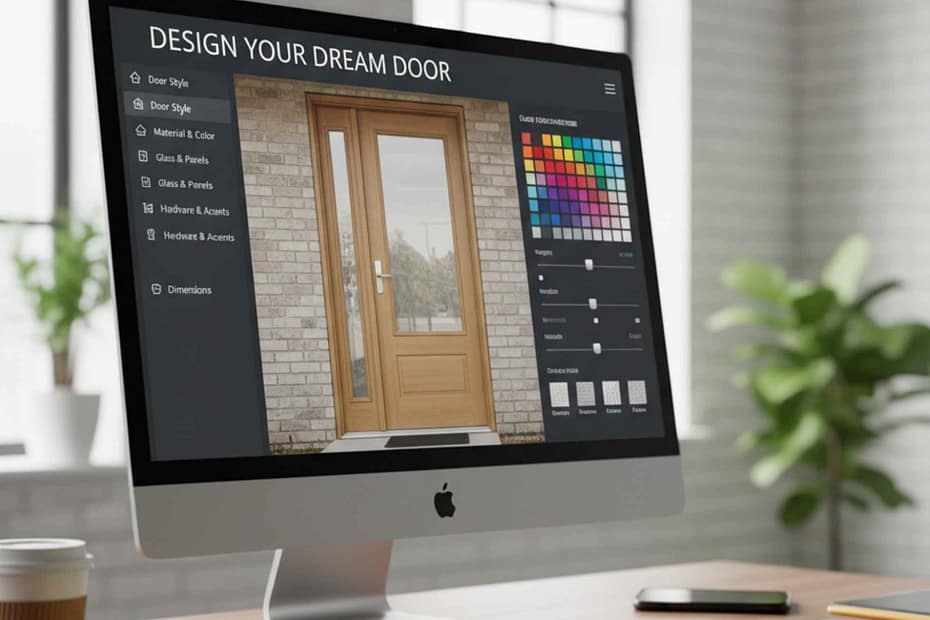
Choosing a new door is not a small decision. It affects your home’s appearance, security, energy efficiency, and long-term value. Yet many homeowners still feel unsure when browsing catalogs or showroom photos that do not reflect their actual home. This is where an online door design tool becomes valuable.
An online door design tool enables you to design, customize, and preview a door before making a purchase. Instead of guessing how a door might look, you can choose styles, glass options, colors, and configurations that fit your home. You can also save your design, share it with a professional, and proceed with confidence knowing you made an informed choice. This guide explains how online door design tools work, what they excel at, where they fall short, and how to use them effectively so you can avoid costly mistakes.
What Is an Online Door Design Tool?
An online door design tool is a digital configurator that helps homeowners visualize and customize a door before purchasing it. These tools are commonly used for entry doors, patio doors, and sometimes interior doors. Instead of browsing static photos, you interact with a design interface that updates as you make selections.
Most tools follow a simple process. You start by choosing the door type and size, then continue by selecting materials, glass, colors, and hardware. Some tools allow you to upload a photo of your home so you can preview how the door looks in a real setting. Others provide sample home styles to help guide the design. While the design process feels simple, the goal is more than aesthetics. A good tool helps you narrow options, understand configurations, and create a design that fits both your home and your budget.
Why Use an Online Door Design Tool Before Buying?
Buying a door without visualization often leads to second-guessing or unexpected results. Even a door that looks great in a showroom may not suit your home’s proportions, lighting, or architectural style. An online tool helps bridge that gap.
Using a design tool allows you to compare multiple configurations side by side before committing to a purchase. You can test glass options, colors, and sizes without pressure. This is especially helpful if you are coordinating a new door with existing siding, trim, or stonework. It also improves communication. When you save or share your design, installers and suppliers can clearly see what you want. This reduces misinterpretation and helps ensure accurate measurements, pricing, and timelines.
How an Online Door Design Tool Works (Step-by-Step)
Most online door design tools follow a structured flow. While each platform is slightly different, the steps below reflect how most tools guide users through the process.
Step 1: Choose Door Location and Size
Before choosing styles or colors, the tool will ask where the door will be installed and what size is required. This is where accurate measurements matter. Door size affects everything from cost to available configurations. Many tools allow standard sizes, but it is important to remember that final sizing should always be verified by a professional. The tool helps narrow options, not replace on-site measurement.
Step 2: Select a Door Style
Once size is selected, you move on to door styles. This step helps align the door with your home’s architecture. A modern home often benefits from clean lines and minimal glass, while traditional homes tend to look better with decorative panels and divided glass. This is also where users often test multiple designs. Seeing several styles in the same home photo makes it easier to choose confidently.
Step 3: Pick Materials and Colors
Material selection influences durability, maintenance, and energy performance. Colors and finishes affect curb appeal and long-term satisfaction. Most tools let you cycle through colors quickly, which helps you avoid choosing something that looks good in isolation but clashes with your home. This step often reveals how subtle color differences can dramatically change the final look.
Step 4: Customize Glass and Hardware
The final stage focuses on glass configurations, privacy levels, and hardware. Glass selection affects light, security, and privacy. Hardware finishes complete the design and influence daily usability. At this stage, most users save their design, create an account, or proceed toward requesting a quote.
Door Materials Explained: What the Tool Won’t Tell You
Online tools are excellent for visualization, but they rarely explain why certain materials perform better in specific situations. Understanding material differences helps you make a smarter purchase.
Before reviewing options, it helps to understand that material choice affects lifespan, maintenance, insulation, and cost.
| Material | Durability | Maintenance | Energy Efficiency | Best For |
| Fiberglass | High | Low | Excellent | Most homes and climates |
| Steel | Very High | Low | Very Good | Security-focused entryways |
| Wood | Moderate | High | Moderate | Historic or luxury homes |
Fiberglass doors are popular because they resist warping, insulate well, and require little maintenance. Steel doors provide strength and security but can dent if struck. Wood doors offer unmatched aesthetics but demand regular upkeep and careful installation. A design tool lets you choose materials visually, but professional guidance ensures the material matches your climate, exposure, and expectations.
Glass Options: Balancing Light, Privacy, and Security
Glass is often the most eye-catching part of a door, but it is also the most misunderstood. Many homeowners choose glass based on appearance alone, without considering privacy or performance.
Before selecting glass, think about where the door faces, how close neighbors are, and how much light you want inside. Decorative glass can add character while obscuring visibility. Clear glass maximizes light but reduces privacy.
Glass options typically include:
- Full, half, or quarter glass configurations
- Decorative patterns for privacy
- Textured or frosted glass
- Insulated glass for energy efficiency
A design tool helps you compare these options visually, but final decisions should balance appearance with daily comfort and security.
Common Mistakes to Avoid When Using an Online Door Design Tool
Online tools simplify design, but mistakes still happen when users focus only on visuals. Understanding common errors helps you avoid regret after installation.
One frequent mistake is choosing style over function. A beautiful door that allows too much visibility or drafts will quickly become frustrating. Another issue is ignoring swing direction, which affects interior space and usability.
Other common mistakes include:
- Assuming the tool’s size selection replaces professional measurement
- Choosing colors without considering exterior lighting
- Forgetting to match hardware with existing home finishes
- Proceeding to purchase without reviewing installation requirements
From Design Tool to Installation: What Happens Next?
After you save your design, the next step is turning it into a real installation. This transition is where many homeowners feel uncertain, but the process is straightforward with the right expectations. Your design is reviewed alongside professional measurements to ensure proper fit, and adjustments may be made before pricing is finalized based on material, glass, size, and installation requirements.
Once everything is confirmed, the door is ordered, manufactured, and scheduled for installation. Depending on the level of customization, this process can take several weeks, but having a clear design upfront helps reduce delays, limit revisions, and prevent change orders later on.
Why Local Expertise Still Matters After Using a Design Tool
An online door design tool helps you visualize options, but it does not account for local conditions such as climate, building codes, and specific construction details, which can vary by region. These factors play an important role in how a door performs over time and should be considered before finalizing a purchase.
Local professionals understand how weather exposure affects materials and finishes, and they ensure the door is installed correctly, sealed properly, and aligned for long-term performance. Designing online while working with local experts gives you the best of both worlds, allowing you to keep creative control while relying on professional expertise for execution.
Conclusion
An online door design tool gives homeowners control, clarity, and confidence during an important purchase. It allows you to explore options, test ideas, and make informed decisions before committing. When paired with professional guidance and accurate measurements, these tools reduce uncertainty and lead to better results. A well-designed door is not just about looks. It plays a key role in comfort, security, and long-term value for your home.
At Madison Door, we help turn your online design into a finished installation you can trust. Our team reviews your design, confirms accurate measurements, and guides you through material, glass, and style choices to ensure the best outcome for your home. When you’re ready, request a quote and let our experts help you move forward with confidence.
FAQs
Can I design a door online for free?
Most online door design tools are free to use and do not require payment up front. They are intended to help you explore configurations before deciding to purchase. Some tools may ask you to create an account to save your design, but there is usually no obligation to proceed.
Are online door design tools accurate?
Design tools are accurate for visualization and option selection, but they do not replace professional measurement. Sizes, configurations, and pricing should always be confirmed on-site. Think of the tool as a planning aid rather than a final specification.
Can I upload a photo of my home?
Many modern tools allow you to upload a photo so you can preview the door on your actual home. If photo upload is not available, most tools provide sample home styles that still offer helpful visualization.
Do I need professional measurements even if I know my door size?
Yes. Even if you know the size, professional measurement ensures proper fit and performance. Door openings can vary slightly, and installation precision is critical for security and insulation.