
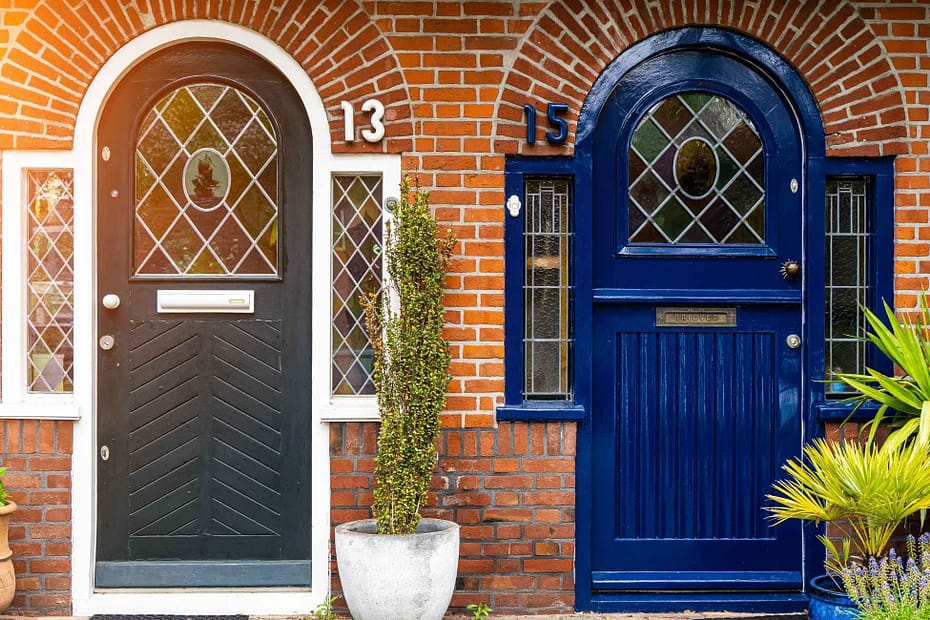
Choosing front door colors for brick homes may seem simple, but small details make a big difference. Your front door is one of the first things people notice, setting the tone for your home’s exterior and defining the entryway. The right door color can boost curb appeal, add personality, and help your home stand out. Because brick already brings warmth and texture, the door color should enhance it, not compete with it.
This article breaks down how to choose the best front door colors for brick homes using clear, practical guidance. Drawing on experience from Madison Door, you’ll learn how brick tone, natural light, trim color, and architectural style all work together to create a balanced, polished look.
Why Front Door Colors Matter for Brick Homes
Brick homes carry strong visual weight and timeless appeal, which makes front door color an important design choice. The wrong paint color can clash with the brick and weaken the overall look, while the right one enhances curb appeal and creates visual balance. Because brick already commands attention, the door color should support the exterior rather than compete with it, helping the home feel intentional and visually grounded.
Research in architectural and design psychology shows that color directly affects how people perceive spaces and how they feel when approaching them. The front door acts as the focal point of the entryway, setting expectations for what’s inside. Whether a homeowner chooses a matching door color for a cohesive look or a contrasting shade to create emphasis, both approaches work when the color is chosen deliberately and aligns with the brick, trim, and overall exterior design.
Understanding Brick Color and Undertones
Before choosing a front door paint color, take time to study your brick closely. Brick is rarely just red, brown, or gray. Most varieties have subtle undertones that influence how other colors appear beside them. Recognizing those undertones makes it easier to choose a door color that complements the brick instead of clashing with it.
Warm vs. Cool Brick Undertones
Warm brick often carries red, orange, or yellow undertones, while cool brick leans toward gray, blue, or charcoal hues. Because of this, matching your front door color to the brick’s undertone helps prevent visual conflict and creates a more balanced exterior.
For example, most red brick homes fall on the warm side and pair best with deep or neutral door colors that ground the look. On the other hand, gray brick homes tend to feel more modern and usually work best with cooler shades that support a clean, contemporary style.
Brick Texture and Aging
Brick naturally weathers over time, which softens its color and reduces contrast. Older brick homes often have muted, earthy tones, while newer brick tends to look sharper and more saturated. Understanding how aged or new your brick appears helps you choose a door color that feels natural rather than out of place.
For that reason, always test front door paint colors directly against the brick before committing. Since natural light shifts throughout the day, a color that looks right in the morning may appear very different in the afternoon or evening.
Best Front Door Colors for Brick Homes
Some front door colors for brick homes work across many styles. These options balance contrast, warmth, and longevity.
Classic and Neutral Door Colors
Neutral shades rarely go out of style. They suit traditional and modern brick houses alike.
- Black door choices add depth and confidence
- Dark gray and charcoal feel refined and stable
- Brown tones echo brick warmth
- Soft gray feels calm and balanced
A black front door works with red brick and gray brick. It creates a strong contrast without overpowering the facade.
Bold Door Colors That Still Work
Bold does not mean chaotic. They are colors that need control and context.
- Red door options work best with neutral trim
- Deep blue adds calm strength
- Forest green blends with landscaping
- Muted purple adds personality without excess
Bold doors need supporting elements.
Shutters, planters, or garden accents help balance the look.
Brick Color and Door Color Pairings
| Brick Type | Recommended Door Colors |
| Red brick | Black, navy, deep green, charcoal |
| Brown brick | Cream, dark brown, forest green |
| Gray brick | Blue, black, light gray |
| Painted brick | Bold colors or clean neutrals |
Use this table as a starting idea, not a rule. Always test samples in real light.
Best Door Colors by Brick Type
Choosing the right door color starts with understanding your brick type. Each brick color carries different undertones that influence which door shades look balanced and intentional
Red Brick Homes
A red brick house already has warmth and character, so cooler colors help create balance and contrast. Black, deep blue, and dark green are strong choices, while a red door can work when paired with neutral trim. Bright orange or pink tones should be avoided, as they compete with the brick.
Brown or Tan Brick Houses
Brown or tan brick homes feel grounded and natural, which makes earth tones an easy match. Green, cream, and warm gray work well, and wood-stained doors feel especially fitting. These colors blend smoothly with landscaping and keep the entrance calm and welcoming.
Gray Brick Homes
Gray brick homes often have a modern or contemporary look, so cool shades pair best. Blue, charcoal, black, and light gray create a clean contrast without overpowering the brick. Yellow or orange tones are best avoided, as they tend to clash with gray.
Matching Front Door Color to Home Style
Brick homes come in many architectural styles. Your front door color should reflect that style.
Traditional Brick Homes
Traditional brick homes favor symmetry and balance, so classic door colors help preserve their charm. Black, brown, and deep green feel timeless and familiar without drawing too much attention.
Modern and Contemporary Brick Homes
Modern and contemporary brick homes embrace contrast and simplicity, making bold or dark colors a strong choice. Charcoal, navy, and matte black create a confident look, especially when paired with minimal trim.
Transitional Styles
Transitional brick homes blend traditional and modern elements, so neutral colors work best. Soft gray, warm white, and muted blue bridge both styles smoothly without overpowering the design.
How to Choose the Right Front Door Color
Choosing the right front door color is about more than style. The color you select affects curb appeal, first impressions, and how well your home’s exterior elements work together.
Checklist for Brick Homes
- Identify the brick undertone first
- Check trim, shutters, and windows
- Consider light exposure and shadows
- Match the door to the home style
- Test paint samples on the door
This checklist prevents costly repainting mistakes.
How Trim, Shutters, and Windows Affect Door Color
Your door never stands alone visually. Trim, shutters, and windows all shape the final look. White trim adds contrast and sharpness, while dark trim softens bold door colors. Matching the trim to the door helps create a clean, unified entrance.
Shutters can echo the door color to make the design feel intentional, and window frames also affect overall balance. Avoid using too many shades, as excess contrast can make the entry feel cluttered and unfocused.
Front Door Finish and Material Considerations
Finish affects how color looks and how long it lasts. Gloss reflects light and enhances color depth, while matte finishes feel softer and more modern. Door material also plays a role, as painted wood shows texture and warmth, while metal doors create cleaner, sharper color lines.
In humid environments, durability matters. High-quality exterior paint helps prevent peeling and fading, and well-built doors from manufacturers like ProVia are designed to hold up under changing weather conditions while maintaining their finish.
Light, Climate, and Seasonal Effects
Sunlight changes how door colors appear throughout the day. South-facing doors receive stronger light, which can make colors look lighter, especially in summer. North-facing entrances appear cooler and darker, so slightly warmer hues help create balance.
Seasonal light also matters. Spring light enhances green and blue tones, while winter light favors darker shades. Always observe the door color in both morning and evening light to avoid surprises after painting.
Common Front Door Color Mistakes to Avoid
Many homeowners repeat the same errors. Avoiding them protects your investment.
- Ignoring brick undertones
- Choosing colors based on indoor samples
- Using trendy shades without context
- Forgetting the rest of the exterior
Avoid copying your neighbors without considering your own home. Each house has different proportions and light conditions. A door color that works next door may feel too bright and overpowering, while a color that is too neutral can fade into the background and lose impact.
Light vs. Dark Front Door Colors
| Light Door Colors | Dark Door Colors |
| Subtle and airy | Bold and grounded |
| Less heat absorption | Strong contrast |
| Softer presence | More dramatic impact |
Choose a door color that reflects your personal style and fits your home’s surroundings. The right choice should complement the architecture, light, and overall setting.
Using Color to Create Contrast or Harmony
Contrast draws attention to the entrance, while harmony blends the door into the facade. Dark doors on light brick create drama, and light doors on dark brick feel softer and more subtle.
Some homeowners choose the same color door and trim. Others prefer contrast to make the entrance pop. Both approaches can improve curb appeal when done thoughtfully.
Landscaping and Exterior Details Matter
Landscaping frames the entrance and shapes how the door color is perceived. Green plants soften bold colors, while flowers add seasonal variation and visual interest.
Hardscaping matters too. Stone, concrete, and walkways influence the overall tone, so the door color should complement these elements. When everything works together, the entrance feels intentional and well planned.
Conclusion
Choosing the right front door color for a brick home comes down to balance, context, and intention. Brick brings strong texture and visual weight, so the door color should complement the brick tone, architectural style, trim, lighting, and surrounding details rather than compete with them. When these elements work together, the entrance feels polished, welcoming, and visually complete, boosting curb appeal without overwhelming the home.
At Madison Door, we help homeowners select front door styles and colors that fit their home, environment, and personal taste. We work with trusted manufacturers like ProVia to offer doors that combine strong construction, lasting finishes, and curb appeal built to perform over time. Request a quote today and let Madison Door help you design a front door that elevates your brick home with confidence.
FAQs
What color front door for a light brick home?
Dark colors work best on light brick homes because they create a clear contrast. Black, charcoal, navy, and deep green are strong, reliable choices. These colors anchor the entrance without overpowering the brick.
What are the three colors not to paint your front door?
Bright orange, hot pink, and neon yellow should be avoided. These colors clash with the brick and feel visually aggressive. They tend to overpower the facade rather than complement it.
What colors go well with a brick house?
Black, deep blue, forest green, warm gray, and brown pair well with most brick types. These colors respect the natural warmth and texture of brick. The best choice depends on the brick’s undertone and the home’s style.
What is the most welcoming front door color?
Deep red, navy blue, and warm wood tones are widely seen as welcoming. They feel familiar, grounded, and inviting without being overwhelming. When paired with the right trim, these colors create a friendly first impression.