
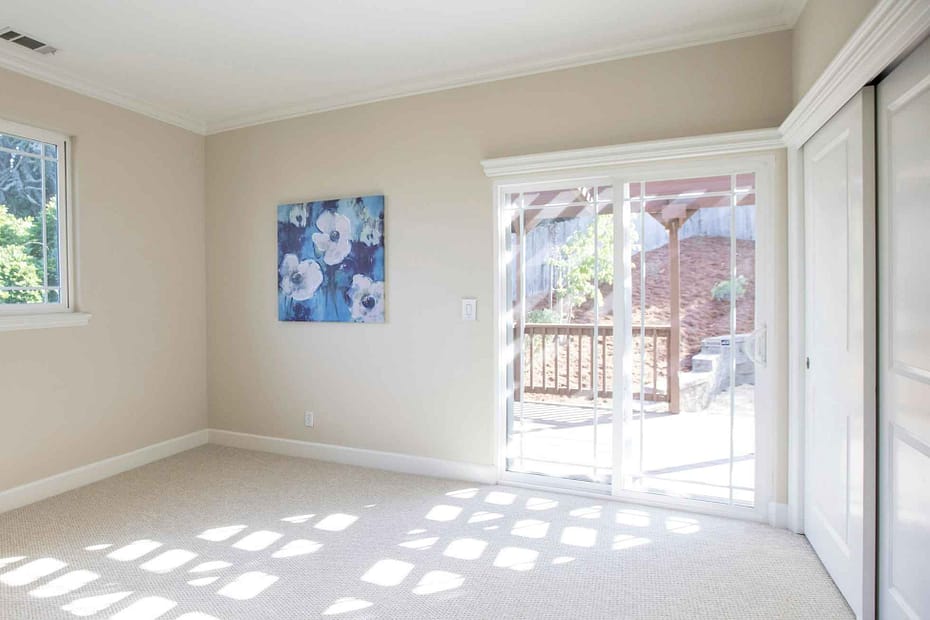
Choosing the best sliding glass doors for traditional architecture homes requires more than picking large glass panels. Traditional homes rely on balance, proportion, and classic design elements. Every door must respect the home’s style while improving comfort and function. Sliding glass doors can work beautifully in traditional settings when chosen carefully. They bring natural light, connect indoor and outdoor spaces, and support everyday living without overwhelming classic design.
Many homeowners worry that sliding doors feel too modern. However, traditional sliding doors can preserve traditional aesthetics when frames, grids, and materials are selected properly. The right patio door should feel intentional, not added later. This guide explains how sliding glass doors, French sliding doors, and sliding patio doors can enhance traditional homes while maintaining architectural integrity.
What Defines Traditional Architecture in Residential Homes
Traditional architecture values symmetry, proportion, and timeless design. Homes often feature balanced facades, detailed trim, and classic materials. Windows and doors follow consistent patterns and spacing. Each element supports the home’s overall harmony.
Traditional homes include Colonial, Georgian, Craftsman, and Farmhouse styles. These homes rely on clear lines and thoughtful design elements. Doors should complement existing windows and the surrounding landscape. Any glass doors must match scale, frame depth, and finish to avoid visual conflict.
Can Sliding Glass Doors Work in Traditional Architecture
Sliding glass doors can work well in traditional homes when design comes first. The key is choosing doors that respect traditional aesthetics rather than copying modern homes. Large glass panels do not automatically create modern aesthetics.
Traditional sliding doors often include visible frames, divided glass panels, and classic colors. These details help the sliding glass blend into traditional living spaces. When done well, sliding doors create a seamless transition between indoor and outdoor spaces without disrupting the home’s character.
Key Design Features That Make Sliding Glass Doors Look Traditional
Design features determine whether sliding glass doors feel timeless or trendy. Frame proportions, grid layouts, and hardware all influence visual balance. Traditional homes benefit from doors with structure and presence.
Frames should have visible depth and weight. Thin, minimalist frames often clash with traditional homes. Glass panels should align with existing window patterns. Hardware should feel substantial and coordinated with interior finishes.
Frame Materials That Complement Traditional Homes
Wood and wood-clad frames remain popular for traditional sliding doors. These materials offer warmth and classic appeal. Fiberglass and aluminum-clad options can also work when finishes mimic traditional tones. Frame options should support durability without sacrificing appearance.
Grid Patterns and Visual Balance
Divided glass panels help sliding doors feel traditional. Grid layouts should match existing windows. Colonial and prairie patterns work well in many homes. Proper alignment keeps glass doors from feeling oversized or out of place.
Traditional-Friendly Sliding Door Features
| Feature | Why It Works for Traditional Homes | Design Consideration |
| Visible frame depth | Adds structure and balance | Avoid ultra-thin frames |
| Divided glass panels | Matches classic window patterns | Align with existing grids |
| Warm frame colors | Supports traditional aesthetics | Avoid stark modern tones |
| Classic hardware | Feels intentional and timeless | Coordinate finishes |
| Multi-point locking systems | Improves security and performance | Hidden systems preferred |
Best Sliding Glass Door Styles for Traditional Homes
Door style affects both function and appearance. Traditional homes benefit from styles that respect symmetry and scale. Sliding patio doors should feel balanced within large openings.
French-Style Sliding Glass Doors
French sliding doors combine the sliding operation with aesthetics. They feature wider stiles, classic profiles, and divided glass. Many homeowners choose French sliding doors when swing clearance is limited. These doors preserve floor space while keeping a traditional look.
Multi-Panel Sliding Doors with Classic Proportions
Multi-slide doors can work in traditional homes when designed carefully. Multiple panels should stack neatly and follow symmetrical layouts. Panels stack in ways that feel ordered, not chaotic. This style works best in larger homes with wide openings.
Materials That Balance Classic Style and Long-Term Performance
Material choice affects appearance, maintenance, and energy efficiency. Traditional homes often require materials that age gracefully. Sliding patio doors must handle extreme weather conditions without frequent repairs.
| Material | Visual Fit for Traditional Homes | Durability | Maintenance Level |
| Wood | Excellent | Moderate | High |
| Wood-clad | Excellent | High | Medium |
| Fiberglass | Good | High | Low |
| Aluminum-clad | Good | Very High | Low |
Grid and Glass Options That Preserve Traditional Character
Glass choice affects both appearance and comfort. Divided glass panels help maintain traditional aesthetics. True divided lites offer authenticity but cost more. Simulated divided lites provide a similar look with better performance.
Low-E glass and insulated glass improve comfort without changing appearance. Triple-pane glass offers superior insulation in colder climates. These options help regulate indoor temperatures and reduce energy costs.
Energy Efficiency Without Sacrificing Traditional Design
Energy efficiency matters for homeowners who want better comfort and long-term savings. Traditional homes often lose energy through older windows and doors. Sliding glass doors can improve performance when they are designed with modern efficiency features. These upgrades help reduce drafts while maintaining the home’s original look.
Insulated glass limits heat transfer and supports stable indoor temperatures. Low-E glass reflects heat while still allowing natural light to enter the space. Triple-pane glass improves energy ratings in extreme weather conditions. Together, these features lower energy bills and reduce cooling costs during summer months, all while staying hidden within traditional door frames.
Common Mistakes to Avoid When Choosing Sliding Glass Doors for Traditional Homes
Some design choices can undermine a home’s style. Ultra-minimal frames often clash with traditional aesthetics. Frameless sliding glass looks out of place in classic homes.
Ignoring scale creates imbalance. Large panels must suit the home’s proportions. Grid patterns should never conflict with existing windows and doors. Hardware should feel cohesive, not decorative for decoration’s sake.
Quick Checklist for Traditional Sliding Doors
- Frame has visible depth and structure
- Glass panels align with window patterns
- Grid layouts match the home’s style
- Hardware feels classic and substantial
- Energy-efficient glass is included
Sliding Glass Doors vs. French Doors in Traditional Architecture
Many homeowners compare sliding glass doors and French doors when planning interior or patio upgrades. Both options offer distinct advantages in style and function. The best choice depends on available space and how the door will be used day to day.
French doors require swing clearance because hinged doors need floor space to open fully. Sliding doors work better in tighter layouts where preserving usable floor space matters. French patio doors suit traditional homes, but French sliding doors provide a similar look without swing issues. Hinged patio doors work best when the layout allows full and comfortable door movement.
Sliding Doors and Indoor-Outdoor Living in Traditional Homes
Traditional homes can still support indoor-outdoor living. Sliding patio doors create a seamless indoor outdoor connection. Large glass panels open living spaces to outdoor spaces and the surrounding landscape.
Multi-slide doors allow an entire wall to open. Multiple panels stack neatly to create wide opening views. This design supports a seamless transition between indoor and outdoor areas. Careful frame options keep the look classic.
Space Planning and Floor Space Considerations
Space planning influences door choice. Sliding doors suit tight spaces and smaller rooms. Hinged doors require swing clearance that reduces usable space.
Sliding glass doors maximize floor space in the dining area and living spaces. Panels move smoothly without blocking furniture placement. This benefit appeals to many homeowners updating older homes.
Security, Operation, and Long-Term Use
Smooth operation matters for daily use. Quality tracks and rollers support large panels without strain. Multi-point locking systems improve security without visible bulk.
Sliding doors should open and close effortlessly. Panels should stack neatly and stay aligned. Professional installation ensures proper alignment and long-term performance.
Cost, Value, and Long-Term Investment
Sliding glass doors range from standard to premium option selections. Cost depends on materials, glass type, and the number of panels. Custom frame options increase pricing but improve fit and performance.
Energy-efficient doors reduce long-term energy costs. Lower energy bills offset higher upfront investment. Quality doors also improve resale value and support a dream home vision.
Choosing the Right Sliding Glass Door for Your Traditional Home
Choosing the right patio door starts with evaluating the home’s style. Every door should complement existing windows and doors. Frame options, glass panels, and grid layouts must align with traditional aesthetics.
Consider space, climate, and usage. Sliding patio doors work well in tight spaces and large openings. French patio doors suit homes with ample swing clearance. Professional installation ensures smooth operation and proper sealing.
A free consultation helps homeowners explore options confidently. Expert guidance ensures the right door fits both function and appearance. The best sliding glass doors for traditional architecture homes respect the past while supporting modern living.
Conclusion
Sliding glass doors are not limited to contemporary homes. When designed thoughtfully, they enhance traditional homes beautifully. The best sliding glass doors for traditional architecture homes balance classic design, energy efficiency, and daily comfort.
At Madison Door, we help homeowners choose sliding glass doors that respect traditional architecture while improving light, access, and performance. If you’re planning an upgrade or replacement, request a quote to explore options that fit your home’s style and long-term needs.
FAQs
Are sliding glass doors suitable for historic or older traditional homes?
Yes, sliding glass doors can work in historic or older traditional homes when the design matches the original proportions and detailing. Wood or wood-clad frames with divided glass panels help preserve the home’s architectural character.
Do sliding glass doors reduce wall space for furniture in traditional homes?
Sliding glass doors typically preserve more usable wall and floor space than hinged doors. Because they do not require swing clearance, they work well in tight spaces and smaller rooms.
Can sliding glass doors be customized to match existing windows and doors?
Most high-quality sliding glass doors can be customized with matching frame finishes, grid patterns, and hardware styles. This allows the door to blend seamlessly with existing windows and doors.
Are sliding glass doors secure enough for traditional family homes?
Yes, modern sliding glass doors use multi-point locking systems and reinforced frames for security. When installed professionally, they offer reliable protection without affecting traditional aesthetics.