
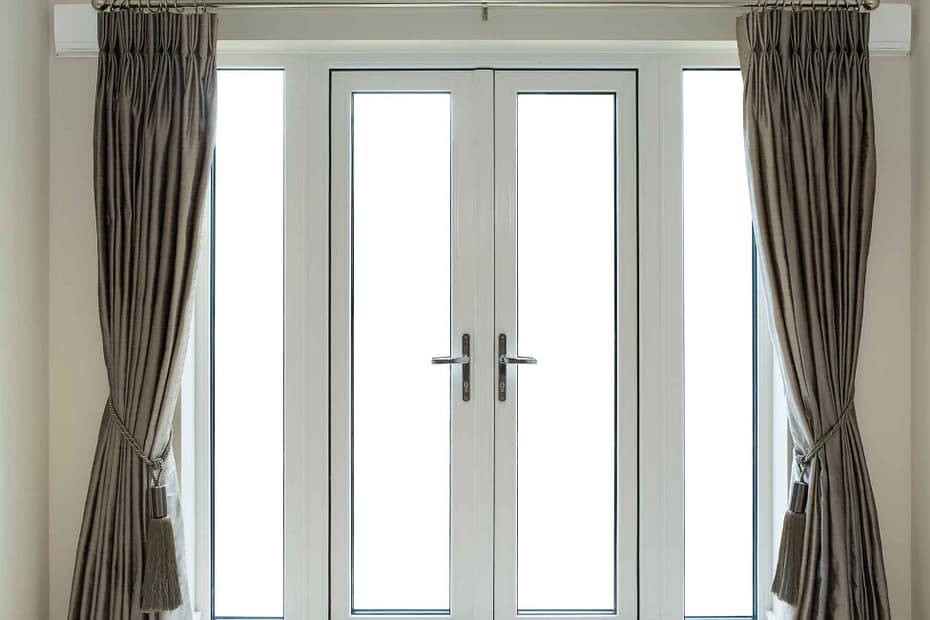
Privacy ideas for interior French doors matter when homeowners want openness without feeling exposed. Interior French doors bring beauty, symmetry, and natural light into a house, yet their glass panels can reduce privacy. Many rooms need separation while still feeling connected. With the right privacy solutions, French doors interior designs can stay elegant and functional.
French doors work well in living rooms, dining rooms, bedrooms, offices, and even bathrooms. Each space has different needs. Some rooms need full privacy. Others need light control only. This guide explores privacy ideas for interior French doors that enhance style, protect comfort, and preserve sunlight.
Why Privacy Is a Common Concern With Interior French Doors
Interior French doors use glass to visually connect rooms. This design improves flow and makes small spaces feel larger. However, clear glass doors can expose private areas like a bedroom or office. Many homeowners worry about losing comfort or focus. Research published in the Journal of Environmental Psychology shows that a lack of visual privacy in homes increases stress and reduces perceived comfort, especially in bedrooms and work-from-home spaces.
French doors interior layouts often sit in high-traffic areas. These include the living room, dining room, or hallway. When privacy is missing, the space can feel unfinished. The right privacy ideas allow interior French doors to work in every room without sacrificing beauty.
Understanding Privacy Levels Before Choosing a Solution
Privacy needs vary by room and lifestyle. Some homeowners want full coverage. Others want visual softness while keeping light. Understanding privacy levels helps narrow all the possibilities.
Full Privacy vs. Partial Privacy
Full privacy blocks views entirely. Frosted glass French doors or heavy drapes work well here. Partial privacy blurs shapes but still allows sunlight. Frosted glass, window film, and faux stained glass offer balance.
Fixed vs. Adjustable Privacy
Fixed privacy stays constant. Etched or frosted glass is always private. Adjustable privacy uses blinds, shades, or curtains. These allow flexibility during the day or night.
Glass-Based Privacy Solutions for Interior French Doors
Glass upgrades provide permanent privacy solutions without adding extra layers. These options integrate directly into the door frame and pane.
Frosted Glass French Doors
Frosted glass diffuses light while blocking clear views. It works well for bathrooms, bedrooms, and offices. Frosted glass French doors feel clean and modern. They allow sunlight to pass through without sacrificing privacy.
Textured and Reeded Glass Panels
Textured glass distorts shapes instead of fully blocking them. Reeded glass adds vertical lines that enhance elegance. These glass doors suit modern and classic interiors alike.
Faux Stained Glass Inserts
Faux stained glass adds charm and color. It works well in dining rooms or living rooms. This option creates privacy while adding artistic beauty to interior French doors.
Window Film as a Flexible Privacy Option
Window film is a popular privacy solution because it is affordable and easy to install. It works well for renters and homeowners who want to test privacy ideas without making permanent changes. Window film comes in frosted, patterned, and decorative styles. Some options mimic etched glass, while others create a soft blur that reduces visibility. Frosted window film allows natural light to pass through while improving privacy.
The film is removable and budget-friendly, making it a flexible option for many homes. It does not change the door hardware, hinges, or door operation. However, it does not provide sound privacy. Films can also wear over time in high-use areas and may need replacement.
Window Treatments Designed for Interior French Doors
Window treatments provide adjustable privacy and visual warmth. They work well when flexibility matters.
Curtains and Drapes
Curtains soften glass doors and add texture. Sheer fabric allows light. Heavy drapes provide full privacy. Curtains work well in bedrooms and living rooms. Ceiling-mounted rods help curtains disappear when open.
Roman Shades and Fabric Shades
Roman shades sit neatly against the door frame. They provide clean lines and adjustable coverage. Fabric shades work well in dining rooms and offices. Always measure carefully to avoid interference with the door handle.
Blinds and Interior Shutters
Blinds allow precise light control. Vertical blinds suit tall French doors. Interior shutters add structure and elegance. Shutters work best in homes with traditional or modern style.
Comparison of Privacy Solutions
Choosing the right privacy solution depends on how much privacy you need and how much natural light you want to keep. The comparison below highlights how common options differ in privacy level, light flow, and ideal room use, making it easier to select the best fit for your space.
| Privacy Solution | Privacy Level | Light Flow | Best Rooms |
| Frosted glass | High | High | Bathroom, office |
| Window film | Medium | High | Bedroom, living room |
| Curtains | Adjustable | Medium | Bedroom, dining room |
| Roman shades | Adjustable | Medium | Office, dining room |
| Shutters | High | Medium | Living room, bedroom |
Architectural Privacy Ideas That Enhance Design
Some privacy ideas use architectural elements instead of coverings. These solutions feel intentional and integrated.
- Sliding Doors and Panels: Sliding doors placed over French doors provide flexible privacy. Barn-style or modern sliding panels work well in open layouts. They preserve floor space and add character.
- Interior Double Doors and Layered Designs: Interior double doors with mixed materials offer depth. A solid panel layered with glass doors adds flexibility. This solution works well in offices and bedrooms.
- Decorative Screens and Wall Panels: Screens placed near the door create separation without touching the glass. Laser-cut panels or wood dividers add style. These ideas enhance privacy while keeping airflow and light.
Privacy Ideas by Room Type
Each room has unique privacy needs. Choosing solutions by room improves function and comfort.
- Living Room and Dining Room: Living rooms and dining rooms benefit from partial privacy. Frosted glass or Roman shades work well. These options soften views while keeping the space bright and welcoming.
- Bedroom and Closet Areas: Bedrooms need stronger privacy. Curtains, drapes, or frosted glass French doors work best. French closet doors benefit from window film or textured glass.
- Home Office Spaces: Offices need focus without isolation. Window coverings with adjustable light control work well. Blinds or shades help balance productivity and connection.
- Bathrooms and Basement Rooms: Bathrooms require full privacy. Frosted glass is ideal. Basement spaces benefit from solutions that maximize sunlight while blocking views.
Decision Checklist for Choosing the Right Privacy Idea
- Determine how much privacy the room needs
- Decide if light must stay visible
- Measure the door frame and glass pane
- Check the door swing and hinges clearance
- Consider hardware and door handle placement
- Match the solution to the room style
Cost and Installation Considerations
Privacy ideas range from simple to custom projects. Budget and permanence matter.
Budget-Friendly Options
Window film and curtains cost less and install quickly. These options work well for temporary needs or rentals. They provide privacy and light control without permanent changes.
Mid-Range Solutions
Roman shades, blinds, and shutters cost more but last longer. These options balance function and style. They also offer better durability and design flexibility for everyday use.
Custom and Permanent Solutions
Frosted glass and faux stained glass require professional installation. They increase home value and feel integrated into the house. These solutions offer long-term privacy while enhancing architectural character.
Common Mistakes to Avoid When Adding Privacy
Many homeowners block too much light. This makes rooms feel smaller. Others choose heavy treatments that clash with interior French doors. Ignoring door movement can damage window coverings. Always measure and test before purchasing.
Design Tips to Maintain Elegance and Balance
Keep symmetry across double doors. Match fabric and hardware with the rest of the room. Use light colors to enhance sunlight. Choose solutions that disappear when open. Good privacy ideas should feel intentional, not added later.
Conclusion
Privacy ideas for interior French doors allow homeowners to enjoy openness without sacrificing comfort. With the right approach, French doors can balance natural light, visual separation, and elegant design. From frosted glass and window film to window treatments and architectural solutions, each option serves a different purpose. The key is choosing a privacy solution that fits the room, supports daily use, and enhances the overall style of the house. When done thoughtfully, privacy does not compete with beauty. It strengthens how the space functions and feels.
At Madison Door, we help homeowners explore privacy solutions that complement interior French doors while preserving light, craftsmanship, and design integrity. Whether you are considering frosted glass, custom window treatments, or a fully integrated door solution, our team can guide you through all the possibilities. Request a quote today to discuss your project and create a space that feels both open and private, without compromise.
FAQs
Can interior French doors provide sound privacy as well as visual privacy?
Interior French doors mainly address visual privacy, not sound. Glass panels allow noise to pass through more easily than solid doors. Adding curtains, drapes, or layered doors can help reduce sound transfer.
Do privacy solutions for French doors affect how the doors open or close?
Some privacy solutions can interfere if they are not measured correctly. Window treatments must allow clearance for hinges, the door handle, and full door swing. Proper installation prevents operational issues.
Are privacy solutions permanent, or can they be changed later?
Many privacy solutions are adjustable or removable. Window film, curtains, and shades can be replaced without altering the door frame. Glass upgrades are permanent and should be chosen carefully.
How do privacy upgrades impact the resale value of a home?
Well-designed privacy solutions can enhance resale value by improving function and style. Frosted glass and integrated door upgrades are often seen as premium features. Temporary solutions usually have little impact on long-term value.