
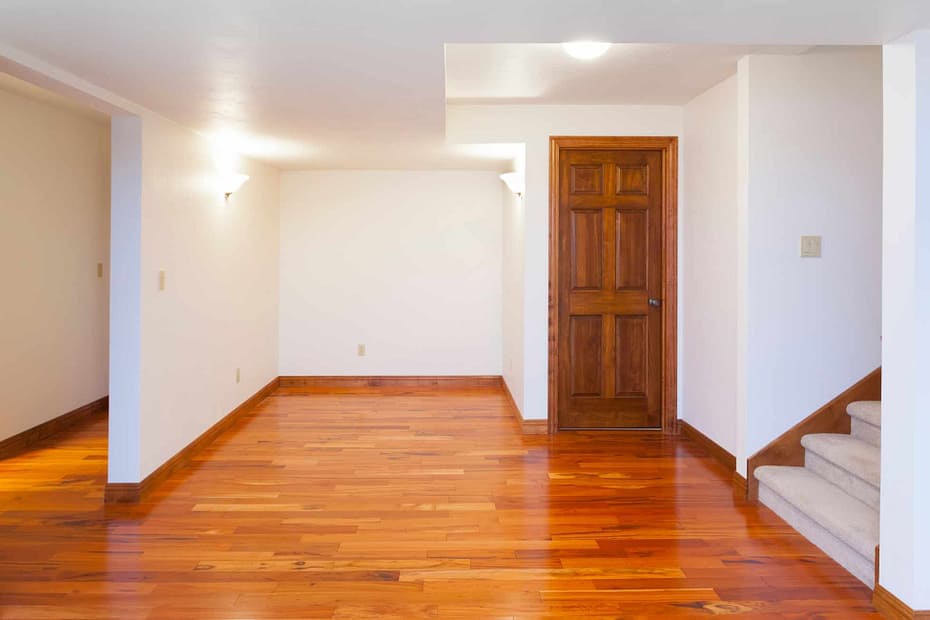
Choosing the best interior door for basement spaces requires more thought than selecting standard interior doors for the rest of your house. A basement door must handle moisture, insulation needs, and sound control while still matching your interior design. Because basements face different environmental conditions, the wrong choice can lead to warping, drafts, or noise issues over time.
Whether you are renovating a finished basement bedroom or upgrading a utility area, the right door improves comfort, access, and long-term durability. It also helps the space feel connected to the rest of your interior rather than separate from it. In this guide, you will find expert advice to help you make a confident decision that fits your home and your family’s needs.
Why Basement Doors Require Special Consideration
A basement environment differs from upper floors in several important ways. Moisture levels often run higher, temperature shifts occur more frequently, and walls may feel cooler year-round. Because of these factors, not all interior doors perform equally well below grade.
Research indicates that insulating the interior of a basement wall in cold climates has a high potential for moisture problems. Builders often place insulation on the inside of foundation walls to reduce cost and avoid the complexity of exterior insulation. However, this approach can trap moisture and increase humidity levels inside the basement environment.
Key Factors to Consider Before Choosing
Before selecting a new door, evaluate how the basement is used and what performance features matter most. Your decision should reflect both environmental conditions and lifestyle needs. By focusing on these core elements, you can narrow down the ideal option sooner.
Moisture Resistance
Basements often experience humidity fluctuations. Solid wood doors may warp if not properly sealed. Engineered or composite materials typically resist moisture better and maintain their shape over time.
Sound Control
If the basement includes a bedroom, media room, or home office, sound insulation becomes critical. Solid core doors reduce noise transfer significantly better than hollow core doors. This feature improves comfort and privacy throughout the house.
Insulation Value
A basement door also affects energy efficiency. Insulated cores help maintain consistent temperatures and reduce drafts. When you want the room to feel warm and comfortable, insulation works in your favor.
Fire Safety
If the basement includes a furnace or storage area, fire-rated doors may meet local building requirements. Always confirm code expectations before replacing an existing basement door.
Best Types of Interior Doors for Basement Spaces
Several door types work well in basement environments. The best interior door for basement use depends on how the space functions. Below are the most practical options homeowners consider during renovation.
Solid Core Doors
Solid core interior doors provide excellent sound reduction and a substantial feel. They work especially well for basement bedrooms or family entertainment areas. Because they insulate better than hollow options, they also help regulate temperature.
Engineered or Composite Doors
Composite doors combine durability with moisture resistance. These doors often contain stable cores built to handle changing humidity. For finished basements, this type offers a reliable and long-lasting solution.
Fiberglass Interior Doors
Fiberglass doors resist moisture exceptionally well. Although often used for exterior applications, certain fiberglass interior models work well in utility areas. They perform reliably in damp conditions and require minimal maintenance.
MDF or Molded Doors
MDF interior doors offer smooth finishes and consistent structure. They suit dry finished basements and come in a variety of modern styles. However, they should remain sealed properly to prevent moisture absorption.
Hollow Core Doors
Hollow core doors remain affordable and lightweight. They work best for storage rooms or closets in unfinished basements. However, they provide limited sound control and insulation.
Matching Door Style to Basement Function
Every basement serves a different purpose, so the best interior door for basement renovation projects depends on how the room functions. Before choosing, consider how people will use the space each day. A finished basement bedroom benefits from solid-core doors that provide privacy and comfort. In contrast, a basement bathroom often requires moisture-resistant composite construction to handle humidity.
For a home office or study, sound insulation helps reduce distraction and improve focus. In open layouts, glass doors introduce light and create a visual connection between areas while maintaining style. Frosted glass panels add privacy without blocking brightness. When space is limited, barn doors offer easy access without requiring a wide swing arc.
Considering Door Size and Fit
The correct door size plays a vital role in long-term performance. Standard door width and length may not always fit the basement framing perfectly. Older homes often feature irregular openings, especially after years of renovation.
Before installing a new door, measure both width and height carefully. Also, check the wall thickness to ensure hinges and hardware fit correctly. A properly built frame prevents air gaps and ensures smooth operation every time you enter the room.
Finished vs. Unfinished Basement Recommendations
Not all basements are designed the same, so your door selection should reflect the condition of the space. Whether the basement is fully finished or still unfinished, the environment will influence which door type performs best over time.
For Finished Basements:
- Choose solid core or composite construction
- Prioritize sound control
- Match the style with the kitchen or main interior design
- Add decorative hardware and handles
For Unfinished Basements:
- Select a moisture-resistant material
- Focus on durability
- Confirm proper sealing
- Consider budget-friendly options
The Role of Glass Doors in Basement Design
Glass doors can transform a basement dramatically. They allow light to travel deeper into the interior and improve the overall feel of the space. If your basement lacks windows, adding glass panels brightens the room significantly.
However, consider privacy carefully. For a bedroom or bathroom, frosted or textured glass works better than clear panels. When used thoughtfully, glass doors add both function and beauty to basement renovation projects.
Space-Saving Options: Barn Doors and Sliding Designs
In basements with limited clearance, traditional swing doors may restrict movement. Barn doors slide along a track and require minimal floor space. They create easy access between rooms while maintaining a modern appearance.
Keep in mind that barn doors do not seal tightly. Therefore, they work best in family rooms, play areas, or offices rather than bedrooms requiring privacy. Evaluate the purpose of the space before choosing this option.
Installation Considerations for Basement Doors
Basement floors may slope slightly due to foundation settlement over the years. Therefore, precise installation ensures the door fits squarely within the frame. Proper leveling prevents uneven swing and reduces long-term wear on hinges.
Additionally, sealing gaps around the door improves insulation and moisture control. Quality hardware, including durable hinges and a solid handle, enhances performance. Professional installation often prevents future issues and ensures the door works smoothly over time.
Cost Expectations and Long-Term Value
The cost of interior doors varies depending on the material and construction. Hollow core models remain the most affordable option, while solid core and composite designs cost more upfront. However, investing in quality materials often reduces maintenance and replacement expenses.
When replacing a basement door during renovation, factor in installation and hardware upgrades. Although budget matters, consider long-term value as well. A well-chosen door improves comfort, increases home appeal, and supports overall energy efficiency.
Design Ideas to Elevate Your Basement
Basements no longer serve only as storage areas. Many families now create entertainment rooms, guest bedrooms, or home gyms. Selecting interior doors that match the rest of the house ensures the basement feels integrated rather than separate.
Modern flat-panel doors complement contemporary interiors, while walnut finishes add warmth and richness. Coordinating hardware with kitchen or hallway accents strengthens visual consistency. These thoughtful decisions enhance both beauty and functionality.
Conclusion
Selecting the best interior door for basement spaces requires balancing durability, insulation, moisture resistance, and design. Because basements face unique environmental conditions, the right door improves comfort, privacy, and long-term performance. By evaluating how the room functions and choosing materials that meet those needs, you can create a basement that feels fully integrated with the rest of your home. A well-chosen basement door does more than provide access. It enhances efficiency, supports daily use, and elevates the overall renovation.
At Madison Door, we help homeowners find interior doors that combine lasting performance with timeless style. Whether you are replacing a basement door, upgrading hardware, or planning a full renovation, our team will guide you through the best options for your space. We offer expert advice, precise sizing, and professional installation to ensure the perfect fit. Request a quote today and let us help you choose a basement door that works beautifully for your home.
FAQs
What is the standard door size for a basement door?
Most standard interior doors measure 30 to 36 inches in width and 80 inches in height. However, basement openings may vary due to framing or renovation changes. Always measure the rough opening carefully before ordering a new door.
Should a basement door swing inward or outward?
In most cases, a basement door should swing into the room for safety and code compliance. The swing direction depends on layout, wall clearance, and access needs. Choose the swing that allows easy movement without blocking stairs or pathways.
Are solid wood doors a good option for basements?
Solid wood doors can work in basements if properly sealed and maintained. However, they may expand or contract with humidity changes. Engineered or composite doors often provide better long-term stability in damp environments.
How do I prevent mold or moisture damage on a basement door?
Maintain consistent humidity levels using a dehumidifier when necessary. Ensure proper sealing around the frame to reduce moisture exposure. Regularly inspect the door surface and hardware to address issues early.