
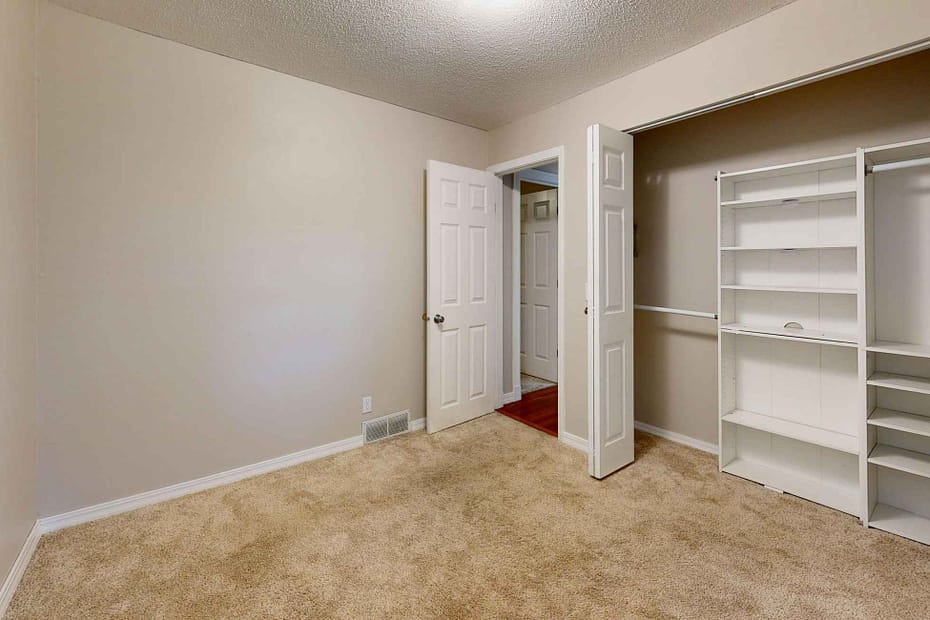
Choosing the right interior doors for laundry room spaces begins with evaluating noise control, moisture resistance, and layout clearance. If the laundry room sits near bedrooms or living areas, select a solid core door to reduce sound transfer. Then, consider humidity levels and choose materials that resist warping or swelling. Finally, measure the opening carefully and confirm swing direction so the door fits properly within the frame and allows smooth movement.
At the same time, the door should complement your home’s interior doors and overall design. A well-chosen door improves airflow management, minimizes vibration noise, and creates a clean visual transition between rooms. When you prioritize performance before style, you make a practical decision that supports long-term durability and everyday comfort.
Why Does the Laundry Room Door Matter More Than You Think?
A laundry room operates differently from other areas of your home. Washers vibrate, dryers produce heat, and moisture can build up if ventilation is limited. Because of these conditions, the door plays a functional role beyond appearance.
Moreover, your laundry room may sit near a bedroom or living area. In that case, thicker interior doors offer better sound control. If the room is visible from a hallway, design also becomes important. As a result, balancing function and style should guide your decision.
What Types of Interior Doors Work Best for a Laundry Room?
Different door styles serve different needs. Before you buy, review how each type performs in a laundry room setting.
Are Solid Core Doors Better for Noise Control?
Solid core interior doors for laundry room spaces provide excellent sound reduction. Their thick core blocks washer vibration and dryer noise effectively. Because of their density, they feel substantial and durable in hand.
Additionally, solid-core interior doors resist warping better than hollow designs. While they cost more, many homeowners love the quiet performance they deliver. If noise is your main concern, this option often makes sense.
When Should You Choose a Hollow Core Door?
Hollow core interior doors cost less and feel lighter. They work well when the laundry room sits away from living spaces. However, they provide limited sound insulation.
If your budget is tight, this option may still meet your needs. Just note that they are more susceptible to damage and moisture over time.
Do Louvered Doors Improve Ventilation?
Louvered doors allow airflow through angled rails and slats. This design helps reduce trapped humidity inside a laundry room. As a result, they can prevent mold buildup. According to the U.S. Environmental Protection Agency (EPA), indoor humidity levels above 60 percent increase the risk of mold growth. Proper door ventilation and airflow help manage this issue in enclosed laundry spaces.
However, they provide less privacy and limited sound control. You should use them only if ventilation outweighs noise concerns.
Are Sliding or Barn Doors Practical?
Sliding or mounted barn doors save space in tight layouts. Because they glide along a track, they eliminate swing clearance issues. Many homeowners select them for modern homes.
Still, barn doors do not seal tightly within the frame. Therefore, they allow more sound to pass through than solid interior wood door options.
Should You Consider a Double Door?
A double door works well for wider laundry room openings. It provides easy access for larger appliances and storage bins. In some homes, it creates a symmetrical design statement.
However, double doors require proper alignment and hardware installation. Always measure your frame carefully before ordering.
How Do Materials Impact Laundry Room Performance?
Material choice affects durability, moisture resistance, and longevity. Because laundry rooms generate humidity, material matters significantly.
Is an Interior Wood Door a Good Option?
An interior wood door adds warmth and timeless character. Solid wood performs well if properly sealed and painted. However, wood remains susceptible to moisture if left unfinished. If you select this option, apply quality paint or finish. Proper sealing reduces swelling and long-term damage.
Are Composite or MDF Doors Better in Humid Rooms?
Composite and MDF interior doors resist warping better than solid wood. They maintain shape in moderate humidity. Many homeowners find them a practical balance of cost and performance. Because they accept paint smoothly, they match existing interior doors easily.
How Important Is Door Thickness and Construction?
Door thickness directly affects performance. Thicker doors reduce sound transfer more effectively. Most solid core interior doors measure about 1 3/8 inches thick. If you want better insulation, consider heavier construction. Also, check the frame strength to support the added weight.
What Size Door Do You Need for a Laundry Room?
Standard interior doors come in common sizes, including 24, 28, 30, and 32 inches wide. However, your laundry room layout determines the best size. If you have stacked appliances, a narrower door may work. For side-by-side units, a wider opening may improve access. Always measure the frame before placing an order.
Should You Choose a Prehung or Slab Door?
A prehung door arrives mounted within its frame. This option simplifies installation, especially for remodeling projects. Meanwhile, slab doors require separate hinges and hardware installation. If you prefer convenience, a prehung door is often ready to install upon delivery.
What About Door Swing and Orientation?
Door swing direction affects usability. A right-hand inswing door opens inward with hinges on the right side. This configuration works well when hallway space is limited. However, ensure the door does not block washer or dryer access. Always check clearance before ordering.
How Can You Improve Soundproofing?
If noise is a major issue, choose solid-core interior doors for laundry room areas. Additionally, add weather stripping around the frame. A door sweep at the bottom can also fill gaps.
These steps significantly reduce sound leakage. While no interior doors provide total silence, these improvements help create a quieter home.
Laundry Room Door Selection Checklist
Before you buy, review this checklist:
- Measure door size and frame width
- Confirm swing direction preference
- Decide between solid core or hollow core
- Consider ventilation needs
- Select hardware style and finish
- Review delivery timeline
- Check the return and damage policy
Following these steps helps ensure a smoother ordering process.
How Do Hardware and Finishing Details Matter?
Door hardware influences both performance and style. Quality hinges support thick doors without sagging. A secure latch improves privacy and sound control.
You should also select hardware finishes that complement nearby interior doors. Matte black and brushed nickel remain popular options.
Should You Paint Your Laundry Room Door?
Paint protects doors from humidity and wear. A durable semi-gloss finish resists moisture and allows easy cleaning. Many homeowners match the door to the surrounding trim. If you love contrast, consider bold color ideas that highlight the laundry room entrance.
What Does It Cost to Install Interior Doors for Laundry Room Spaces?
Costs vary based on material, construction, and hardware. Solid core doors typically cost more than hollow core options. Installation fees also depend on the frame condition.
While shopping online, compare pricing carefully. Review customer policies related to shipping and delivery. Always inform yourself about responsibilities regarding installation and possible damage.
What Should You Know Before Ordering Online?
When ordering from a website, review product specifications thoroughly. Confirm door size, thickness, and hardware requirements. Add items to your cart only after verifying measurements.
Also, check shipping timelines. Some doors ship quickly, while custom interior wood door designs require longer production times.
Read customer reviews before making your final selection. Responsible research helps avoid splitting decisions between multiple styles.
How Do You Maintain Laundry Room Doors Long Term?
Regular maintenance protects your investment. Wipe surfaces to prevent moisture buildup. Tighten hardware annually to prevent sagging. If you notice minor damage, address it quickly. Small repairs prevent larger issues over time.
Homeowners sometimes choose style over function. However, that decision can lead to performance issues. For example, a mounted barn door may look attractive but allow excess noise. Others fail to measure properly before ordering. Always confirm size and frame depth to avoid installation delays.
Conclusion
Choosing the right interior doors for laundry room spaces requires careful planning and informed decision-making. When you evaluate noise control, moisture resistance, door thickness, and proper sizing, you protect both comfort and long-term durability. A well-selected door should fit securely within the frame, operate smoothly, and complement your existing interior doors. By prioritizing performance first and design second, you create a laundry room that functions efficiently while enhancing the overall look of your home.
At Madison Door, we specialize in premium interior doors crafted for performance, durability, and style. Whether you need a solid core solution, a custom interior wood door, or guidance on sizing and hardware, our team is ready to help. Visit our website to explore your options, review specifications, and speak with a knowledgeable representative. Request a quote today to find the perfect door for your laundry room and elevate your home with confidence.
FAQs
Do laundry room doors need to be fire-rated?
Most residential laundry room doors do not require a fire rating. However, if the laundry room connects to a garage, local building codes may require a fire-rated door. Always check your local code requirements before ordering.
Can you replace a laundry room door without changing the frame?
Yes, you can replace the door slab if the existing frame remains in good condition. You must match the exact size, hinge placement, and thickness for proper fit. If the frame is damaged or uneven, a prehung door is often the better option.
What is the best way to ventilate a small laundry closet?
Install a louvered door or ensure the room has proper exhaust ventilation. Louvered interior doors allow airflow while maintaining separation from adjacent spaces. In tight closets, ventilation prevents moisture buildup and improves appliance efficiency.
Are glass panel doors suitable for a laundry room?
Yes, frosted or textured glass panels provide light while maintaining privacy. However, they offer less sound insulation than solid-core interior doors. If noise reduction is important, choose a solid core design instead.