
Interior doors for closets play a larger role in your home than many people realize. While closets often stay behind closed doors, the style, fit, and performance of your closet doors affect daily access, storage efficiency, and overall design harmony. At Madison Door, we view interior doors as architectural elements that shape how a space looks and functions.
Whether you are replacing old doors or planning a renovation, choosing the right interior doors for closets requires careful measuring, material selection, and professional installation. This guide explains your options, compares door types, and helps you choose a solution that fits your space, style, and long-term value goals.
What Are Interior Doors for Closets & Why They Matter
Interior doors for closets are designed to provide organized access to storage areas while complementing the surrounding interior doors in your home. Unlike entry doors, closet doors focus on smooth operation, efficient use of space, and visual consistency across bedrooms, hallways, pantries, and utility areas.
Studies suggest that doors play a crucial and multifaceted role in interior design, far beyond the functional aspect of providing access and privacy. They are essential elements that impact the overall aesthetics, functionality, and ambiance of interior spaces. Interior doors, including closet doors, contribute to architectural integration, enhanced privacy, aesthetic impact, and transition and flow between different spaces. Additionally, doors influence light and ventilation and contribute to safety and security within the home.
What Are The Types of Interior Doors for Closets
Choosing the right type of closet doors depends on your room layout, clearance, and style goals. Each system offers different advantages in terms of space savings, installation requirements, and long-term durability.
Sliding Closet Doors
Sliding closet doors operate on a track system and move horizontally across the opening. They work well in bedrooms with limited clearance because they do not swing outward. Homeowners often choose sliding closet doors for wide closets where access to one side at a time works well.
These doors can include mirrored panels, solid core slabs, or custom finishes. Because sliding systems rely on hardware tracks, proper installation ensures smooth movement and long-term performance.
Bi-Fold Doors
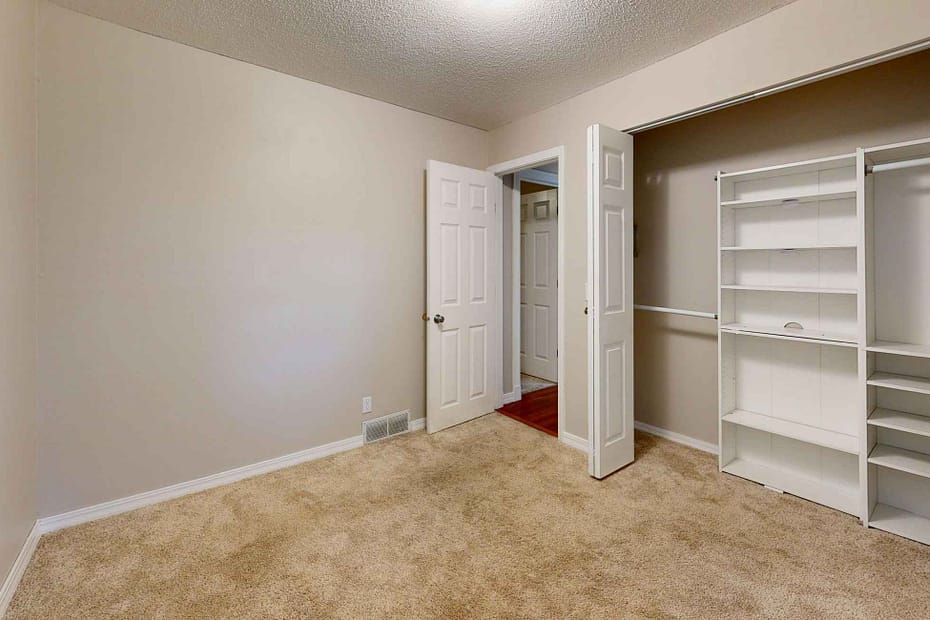
Bi-fold doors fold inward on hinges and glide along a top track. They allow broader access to the closet opening compared to sliding systems. Bi-fold doors suit smaller closets and areas where partial swing clearance is available.
These doors often use lightweight panels, but solid core options increase durability and reduce sound transfer. When installed correctly, bi-fold doors offer easy access while maintaining a compact footprint.
Hinged Closet Doors
Hinged closet doors function like traditional interior doors and swing outward. They work best when sufficient space exists in front of the closet. This option provides full access to the entire opening.
Many homeowners prefer hinged systems for a clean and classic look. You can choose solid core or MDF doors depending on desired weight, finish, and durability.
Pocket Doors
Pocket systems slide into the wall cavity and disappear when open. They maximize usable floor space and create a streamlined appearance. However, installation requires wall modifications and precise measuring.
These closet doors work well in tight hallways or smaller bedrooms where accommodating swing clearance proves difficult.
Barn Doors
Barn doors mount on an exposed track and slide along the wall surface. They create a strong visual impact while saving floor space. Many homeowners use barn doors to add texture and character to modern or rustic interiors.
Because barn doors remain visible when open, wall clearance must accommodate the door width. Proper hardware selection and secure installation are essential for stability.
Comparison of Closet Door Types
| Door Type | Best For | Space Needed | Access Level | Style Impact | Installation Complexity |
| Sliding Closet Doors | Wide closets, limited swing | Minimal clearance | Partial | Modern | Moderate |
| Bi-Fold Doors | Small to medium closets | Small clearance | Full | Traditional | Moderate |
| Hinged Doors | Spacious rooms | Swing clearance | Full | Classic | Easy |
| Pocket Doors | Tight layouts | Wall cavity space | Full | Minimalist | Advanced |
| Barn Doors | Design-forward spaces | Wall clearance | Full | Rustic/Modern | Moderate |
Materials & Finishes Explained
Material selection affects durability, maintenance, and overall value. Interior doors for closets typically come in solid core, hollow core, or MDF doors. Solid core doors provide greater durability and weight, which improves sound control and long-term performance.
MDF doors offer a smooth finish that accepts paint well. They remain stable in controlled indoor environments. When selecting slabs, consider how frequently the closet doors will be used and the type of finish desired. A professional can help ensure the material choice aligns with your interior doors throughout the home.
Design Styles & Interior Integration
Closet doors should complement your overall interior design. Modern homes often use flush slabs with clean lines and simple hardware. Transitional interiors may include paneled doors that coordinate with other interior doors in hallways and bedrooms.
If you prefer a bold statement, barn doors or mirrored sliding closet doors add visual depth. Mirrored surfaces reflect light and make smaller closets feel larger. Choosing a finish that matches trim and flooring creates a cohesive result across your space.
How to Choose the Right Closet Door
Selecting interior doors for closets begins with measuring accurately and evaluating your layout. First, measure width and height carefully to determine available sizes. Next, check floor clearance and wall space to accommodate your chosen door type.
Then consider durability, daily use, and long-term value. Ask yourself how often the closets receive access and whether children or high traffic affect wear. Finally, match the door style to the surrounding interior doors for visual continuity.
Professional Installation & Performance
Even high-quality interior doors for closets will not perform correctly without proper installation. Alignment affects how smoothly sliding closet doors move and how securely hinged systems close. Incorrect hardware placement can lead to sagging or an uneven fit.
Professional installation ensures the doors align properly, operate smoothly, and receive secure mounting. It also protects your investment and improves long-term durability.
Cost of Interior Doors for Closets
Costs vary depending on material, hardware, and installation complexity. Sliding closet doors with mirrored panels may cost more than basic bi-fold doors. Solid core options typically increase price but improve durability and performance.
Custom sizes, specialty finishes, and premium accessories also affect overall cost. While budget choices exist, investing in quality interior doors adds long-term value and reduces replacement frequency.
Cost Overview by Type
| Door Type | Typical Material | Relative Cost | Durability Level |
| Sliding Closet Doors | MDF / Mirror / Solid | $$–$$$ | Medium–High |
| Bi-Fold Doors | MDF / Hollow Core | $–$$ | Medium |
| Hinged Doors | Solid Core / MDF | $$–$$$ | High |
| Pocket Doors | Solid Core | $$$ | High |
| Barn Doors | Solid Core / Wood | $$–$$$ | High |
Maintenance & Long-Term Durability
Regular maintenance protects the finish and hardware of your closet doors. Clean sliding tracks to prevent debris buildup. Tighten hinges and check alignment periodically.
Use appropriate cleaners on painted or mirrored surfaces. Solid core doors require minimal upkeep but benefit from occasional inspection. With proper care, interior doors for closets maintain performance and appearance for many years.
Coordinating Closet Doors with the Rest of Your Home
Interior doors for closets should integrate seamlessly with other interior doors in your home. Coordinated finishes and hardware create a balanced appearance. When you replace old doors, consider upgrading nearby interior doors to maintain visual consistency.
A curated collection of closet doors allows homeowners to choose styles that complement bedrooms, hallways, and pantries. When done correctly, closet doors feel intentional rather than secondary.
When to Replace Old Closet Doors
Old doors may show signs of warping, sticking, or worn hardware. If sliding closet doors derail frequently, the track system may need replacement. Faded finishes and surface damage also indicate it may be time to install new slabs.
Upgrading improves ease of access, enhances durability, and increases the overall value of your home. Modern systems provide smoother operation and a better fit compared to outdated models.
Accessories & Hardware Considerations
Closet door hardware influences both function and style. Handles, pulls, and track systems should match your interior design. High-quality hardware improves performance and supports durability.
Accessories such as soft-close mechanisms enhance ease of use. When selecting hardware, check compatibility with your chosen slabs and door system.
Interior Doors for Closets in Limited Spaces
Homes with limited square footage benefit greatly from space-saving systems. Sliding closet doors and pocket doors accommodate tight bedrooms without sacrificing access. Barn doors also conserve floor area while adding visual interest.
Careful measuring and planning help ensure the doors fit properly and operate smoothly. Even small changes can improve how efficiently your closets function.
Conclusion
Choosing the right interior doors for closets can significantly enhance your home’s functionality and aesthetics. By considering door types, materials, and installation needs, you ensure that your closet doors not only look great but also perform well for years to come. Properly selected and installed closet doors create a cohesive look throughout your home, making spaces feel organized and efficient.
At Madison Door, we offer a wide selection of high-quality interior doors that combine style and durability. If you are ready to explore your options, visit our site to view our collection of interior doors. You can shop available styles, check sizes, and receive expert guidance. Request a quote now. We’re here to help you find the perfect closet door solution.
FAQs
What is the best type of closet door for small spaces?
Sliding closet doors or pocket doors are ideal for small spaces because they don’t require extra clearance to swing open. These options maximize usable floor space and provide easy access. They also work well in tight layouts like small bedrooms or hallways.
How do I measure for new closet doors?
To measure for new closet doors, measure the width and height of the closet opening. Be sure to account for any clearance needed for door swing or track systems. Always double-check measurements to ensure a proper fit.
Are barn doors suitable for all closet types?
Barn doors work well in larger, design-forward spaces and can add a unique, rustic touch to any room. However, they require sufficient wall clearance and may not be ideal for smaller rooms. It’s important to ensure the space allows for the door’s width.
How often should closet doors be maintained?
Regular maintenance includes cleaning tracks, tightening hardware, and checking alignment. Solid core doors require minimal upkeep, while mirrored or painted doors may need occasional refinishing. With proper care, your closet doors can last for years.