
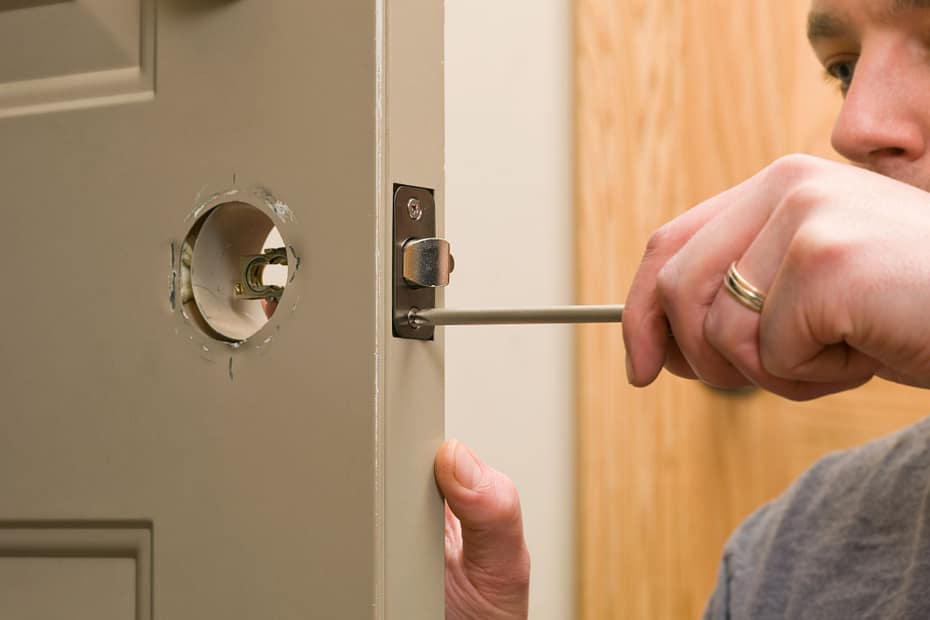
Learning how to replace old interior doors can improve both the look and function of your home. Interior doors affect privacy, sound control, and daily comfort. When doors start sticking, warping, or showing wear, replacing interior doors becomes a smart investment. A properly fitted replacement door improves performance and protects the existing door frame from long-term damage.
At Madison Door, we focus on quality materials and precision fit. A well-installed door does more than open and close. It improves flow, supports privacy, and adds lasting style to every room in the house.
Why Replace Old Interior Doors?
Interior doors take daily abuse. Over time, wood expands, hardware loosens, and hinges shift. You may notice sticking, uneven gaps, or a latch that will not align. These problems often signal that a door replacement makes more sense than a quick repair.
For example, a bedroom door that no longer closes fully affects privacy and comfort. A warped slab door can strain hinges and damage the existing door frame. Replacing the door restores balance and protects the frame structure.
Here are common reasons homeowners choose replacement:
- Persistent sticking or rubbing against the floor
- Cracks or splits in the wood
- Loose hinges or damaged hinge plate areas
- Outdated style that no longer matches the house
- Hollow-core doors that lack sound control
When problems continue after adjustments, replacing interior doors becomes the practical solution.
When Should You Repair or Replace An Old Interior Door?
Before you purchase a new door, inspect the existing door and frame carefully. Small adjustments may fix minor issues. However, structural problems usually require a full replacement.
Ask yourself:
- Is the door frame square?
- Is the old frame solid and free of damage?
- Do the three hinges still hold securely?
- Is the rough opening stable behind the jamb?
If the frame remains square and secure, you can install a slab door as a replacement. If the existing door frame shows damage, consider replacing the full pre-hung unit.
Understand Your Interior Door Options
Choosing the right replacement door affects long-term performance. Interior doors come in several styles and materials.
Slab Door vs. Pre-Hung Door
A slab door includes only the door panel. You reuse the existing door frame and hinges. This option works when the frame is square and secure.
A pre-hung door includes the door attached to a new frame. This option works best when the old frame shows damage or misalignment.
Solid Core vs. Hollow Core
Solid core doors provide better sound control and weight. They feel substantial and protect privacy. Hollow core doors cost less and weigh less. However, they provide less insulation.
Style and Finish
Choose a style that matches your house. Panel designs fit traditional homes. Flush doors offer a clean, modern look. Glass inserts increase light in closets or hallways. You may choose to paint or stain the wood finish depending on your décor.
What Tools and Materials Will You Need For Replacing Interior Doors
Before installing a new door, gather your tools and materials. Being equipped helps you complete the installation smoothly.
Tools:
- Tape measure
- Level
- Drill and bits
- Screwdriver
- Utility knife
- Hammer
- Chisel
- Shims
- Pry bar
- Safety glasses
Materials:
- Replacement door
- Hinges
- Hinge plate screws
- Knob and latch hardware
- Wood filler
- Nails for casing
- Paint or stain
Having the correct tools ensures accurate measurements and secure installation.
How To Replace an Old Interior Door?
Replacing an old interior door can instantly improve the look and function of your space. With the right tools and careful measurements, you can upgrade your interior door smoothly and avoid common installation mistakes.
Step 1: Measure the Existing Door
Accurate measurements determine whether your new one will fit properly. Measure the width, height, and depth of the existing door. Measure the thickness of the slab door and the width between the jamb edges.
Next, measure hinge placement from the top of the door to the center of each hinge. Most interior doors use three hinges. Confirm hinge side orientation. Determine whether the door swings left or right when open. Finally, check floor clearance. Ensure the new door will not rub the floor surface after installation.
Step 2: Remove the Existing Door
Removing the old door requires patience and care. First, open the door slightly. Tap out hinge pins using a screwdriver and hammer. Support the weight while removing the final pin.
Lift the door free from the existing door frame. Place it flat on a stable surface. Remove existing hardware, including knob, latch, and hinges. Inspect the hinge plate areas and jamb for damage. Check whether the frame remains square. If the frame shifts or shows rot, replacement may require a pre-hung unit.
Step 3: Prepare the Replacement Door
If installing a slab door, you must transfer hinge locations precisely. Lay the old door on top of the new door. Align the tops and trace hinge outlines carefully. Use a chisel to cut hinge mortises. Maintain correct depth to ensure flush hinge installation. Test hinge fit before securing screws.
Next, drill holes for the knob and latch. Match backset measurements to existing hardware. Use a hole saw and drill guide for clean cuts. Take time during this stage. Proper preparation ensures the door will swing correctly.
Step 4: Install the New Door
Attach hinges to the new door first. Then position the door inside the frame. Align hinge side edges carefully. Insert hinge screws loosely at first. Once the hinges attach, test the swing. The door should open smoothly without rubbing the jamb. Adjust position as needed before tightening screws fully.
If installing a pre-hung door, insert the entire unit into the rough opening. Use shims between the frame and wall studs. Check the level on both the hinge side and latch side. Secure the frame using screws through shims. Avoid over-tightening. Trim excess shims with a utility knife once secure.
Step 5: Install Hardware and Finish
Install the latch assembly and secure the knob. Align the latch with the strike plate. Test closure to ensure the latch engages smoothly. If needed, adjust the strike plate slightly. Small shifts often correct minor alignment issues.
Fill any screw holes with wood filler. Sand lightly after drying. Apply paint or stain to match interior décor. Allow proper drying time before heavy use. Reattach casing using finishing nails if removed during installation.
Cost of Door Replacement
Door replacement costs vary depending on the material and style. Below is a general estimate:
| Item | Typical Cost Range |
| Hollow core slab door | $40 – $120 |
| Solid core slab door | $150 – $300+ |
| Pre-hung interior door | $200 – $500+ |
| Hardware | $30 – $200+ |
| Professional installation | $150 – $500 per door |
Quality doors cost more initially but provide better durability and long-term value.
Common Mistakes to Avoid
Many homeowners rush the installation. Avoid these common errors:
- Incorrect measurements before purchase
- Ignoring hinge placement accuracy
- Forgetting to check the frame square alignment
- Skipping shims during pre-hung installation
- Failing to test the swing before final tightening
Careful installation prevents sticking and uneven gaps.
When to Hire a Professional
Some situations require professional support. Consider hiring help if:
- The existing door frame shows structural damage
- The rough opening shifts or lacks support
- The door weight feels difficult to manage
- You replace multiple interior doors at once
- You want a custom style or finish work
A professional installer ensures proper alignment and secure mounting. Madison Door offers guidance and support through our website for homeowners seeking quality results.
Design Tips for Interior Door Replacement
Replacing interior doors provides an opportunity to refresh your home’s look. Choose styles that complement wall colors and flooring. For example, solid panel doors add elegance to bedrooms. Glass panel doors increase light in closets or hallways. Flush doors create a minimalist appearance in modern houses.
Match hardware finishes to lighting fixtures for a cohesive finish. Black or brushed nickel knobs offer contemporary appeal. Stained wood doors highlight natural grain.
Maintenance Tips After Installation
After installing a new door, simple maintenance protects performance.
- Tighten hinge screws annually
- Lubricate hinges if squeaking occurs
- Clean painted surfaces gently
- Adjust the strike plate if the latch shifts
- Protect wood from moisture
Routine care ensures long-term function and durability.
Conclusion
Replacing interior doors is a simple way to improve both the look and function of your home. When you know how to replace old interior doors correctly, you protect the existing door frame, prevent sticking, and restore smooth operation. Proper measurements, hinge alignment, and careful installation ensure your replacement door fits well and lasts for years.
At Madison Door, we provide high-quality interior doors built for precision fit and lasting performance. Our team helps you select the right style and material for your space, whether you are updating one bedroom door or several rooms. Visit our website and request a quote today to get started.
FAQs
What is the standard size for interior doors?
Most standard interior doors are 80 inches tall and 24, 28, 30, or 32 inches wide. The typical thickness is 1 ⅜ inches for residential interior doors. Always measure your existing door and door frame before purchasing a replacement to ensure a proper fit.
Can I trim a new interior door to make it fit?
Yes, you can trim a solid wood or solid core door slightly to fit your existing door frame. However, hollow core doors have limited trim allowance and may weaken if cut too much. Check the manufacturer’s specifications before trimming any replacement door.
How do I fix a door that sticks after installation?
A door usually sticks due to humidity changes, hinge misalignment, or an uneven frame. First, tighten the hinges and check if the door frame remains square. If needed, lightly sand the rubbing edge and repaint or reseal the surface.
Do I need a permit to replace interior doors?
In most cases, replacing interior doors does not require a building permit. Permits are typically only required when structural changes affect the rough opening or load-bearing walls. Check your local building codes if you plan to modify the door frame or wall structure.