
Interior doors for small spaces play a major role in how a room functions and feels. In a small living space, the right door can save floor space, improve traffic flow, and enhance light flow without sacrificing style. When space is limited, every inch matters, and your door type can either support or block furniture placement. Choosing interior doors for small spaces carefully helps you create an open feel while maintaining privacy and comfort.
In compact spaces, traditional hinged doors often require wide swing clearance. That swing can block furniture, limit access, and reduce usable wall space. A thoughtful space-saving solution improves efficiency and transforms how you use the room. With the right interior design strategy, you can visually connect rooms, increase natural light, and create a better space feel.
Why Door Choice Matters in Small Spaces
A door may seem simple, but it shapes how a room operates every day. In small spaces, even one swinging door can block furniture and interrupt traffic flow. When a swinging door takes up floor space, you lose valuable layout flexibility. That loss affects furniture placement and reduces the sense of openness.
Moreover, door selection influences light and ventilation. Interior doors with glass panels allow natural light to travel between rooms. As a result, the room feel becomes brighter and more inviting. By choosing the right door, you improve both function and aesthetics in tight space environments.
What Makes Interior Doors for Small Spaces Work Better
Interior doors for small spaces must support efficient use of limited square footage. The right door reduces swing clearance, protects wall space, and helps you save space in compact spaces. In addition, a well-chosen door improves light flow while maintaining privacy. Therefore, selection should focus on both practical and visual impact.
Beyond appearance, you must evaluate structure and installation requirements. Some door options need reinforced walls or specific track hardware. Others require enough room along the wall to operate smoothly. Understanding these factors helps you select a true space-saving solution.
Space Efficiency
Space efficiency begins with understanding swing clearance. Hinged doors need arc movement, which consumes floor space and blocks furniture.
According to the ADA Standards for Accessible Design (Title III Regulation 28 CFR Part 36, front approaches to the pull side of swinging doors require maneuvering space that extends at least 18 inches beyond the latch side of the door (24 inches preferred) and 60 inches minimum perpendicular to the doorway. These clearance requirements show how much usable space a traditional swinging door can occupy in compact layouts.
In contrast, sliding doors and pocket doors operate along a track, allowing you to save floor space. This efficient use of space helps create flexibility in small room layouts.
Light and Visual Flow
Light transforms small spaces dramatically. Interior doors with glass panels improve light flow and visually connect adjacent rooms. Frosted glass panels offer an open feel while maintaining privacy. This balance supports both functionality and design.
Privacy and Sound Control
While light is important, privacy also matters in bathrooms, home offices, and laundry rooms. Solid core doors reduce noise transfer and provide stronger insulation than hollow core options. If you need quiet in compact spaces, solid core or composite materials work best.
Best Types of Interior Doors for Small Spaces
Interior doors for small spaces come in several practical formats. Each door type offers different benefits depending on layout, wall structure, and room size. When choosing among door options, consider how the door affects floor space and wall space. A strategic choice will improve access without overwhelming the room.
Below is a comparison to guide your decision.
| Door Type | Space Saving Level | Privacy | Best For | Installation Complexity |
| Pocket Doors | Very High | High | Bathrooms, Closets | Moderate |
| Sliding Doors | High | Medium | Bedrooms, Offices | Low |
| Sliding Barn Doors | High | Medium | Hallways, Bedrooms | Low |
| Bi-Fold Doors | Moderate | Medium | Closets, Laundry Rooms | Low |
| Flush Hinged Doors | Low | High | General Rooms | Low |
Pocket Doors
Pocket doors slide inside the wall cavity, eliminating swing clearance. This design helps save floor space and maximize every inch in small spaces. Because they hide inside the wall, they do not block furniture or traffic flow. However, installation requires structural planning and sufficient wall thickness.
Sliding Doors
Sliding doors move along a track mounted on the wall. They provide an excellent option when you want to save space without altering wall framing. Unlike hinged doors, sliding doors maintain open pathways and improve access in tight space layouts. They work well in bedrooms and home offices.
Sliding Barn Doors
Sliding barn doors operate similarly to standard sliding doors but feature exposed hardware. Barn doors add character while remaining a space-saving solution. They require clear wall space along one side of the doorway. If designed with slim profiles, they complement modern interiors effectively.
Bi-Fold Doors
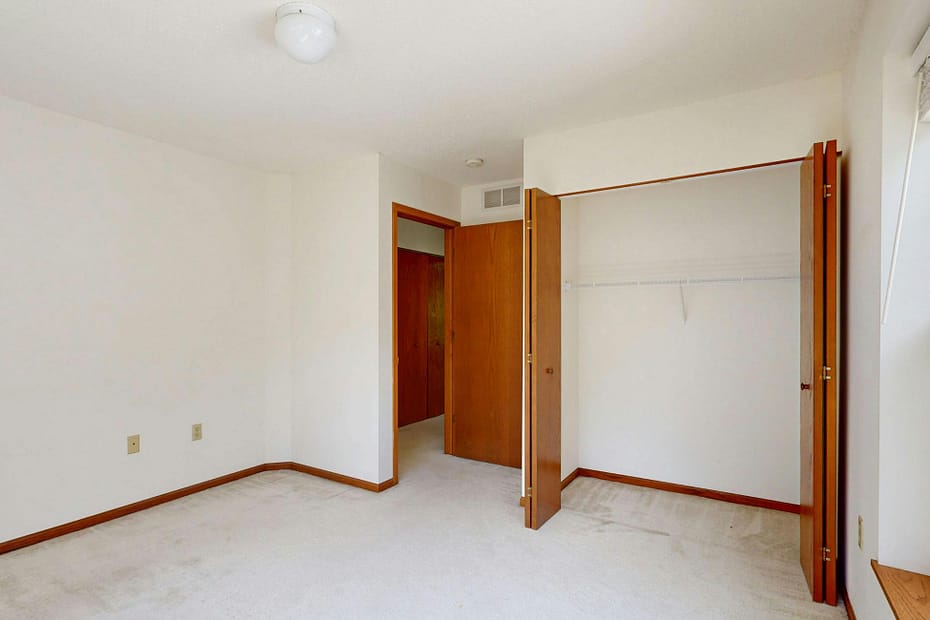
Bi-fold doors fold in half, reducing the projection into the room. Bi-fold doors are common in closets and laundry rooms where compact access matters. They allow quick access while using less floor space than hinged doors. For affordable upgrades, bi-fold doors remain a popular choice.
Flush Hinged Doors
Flush doors maintain clean lines and simple panels. While hinged doors need swing clearance, flush doors with slim profiles minimize visual bulk. They work best where enough room exists for proper opening. In small spaces, consider careful furniture placement before installing a swinging door.
What Materials Improve Small Rooms
Materials influence durability, sound control, and visual impact. Interior doors built from solid core materials provide stronger insulation and better sound reduction. In bathrooms or home offices, solid-core doors improve privacy significantly. Meanwhile, hollow core doors offer affordable solutions but provide less sound control.
Glass panels and composite materials also affect a room’s feel. Glass increases natural light and enhances light flow across compact spaces. Composite materials combine durability and affordability while maintaining style. Selecting the right materials ensures your new door supports both function and design.
Glass and Glazed Panels
Glass panels increase openness in small room layouts. Clear glass visually connects adjacent areas, creating a wider opening effect. Frosted glass maintains privacy while preserving light. This combination enhances the overall space feel.
Solid Core and Hollow Core
Solid core doors provide superior sound insulation and stability. Hollow core doors weigh less and cost less, making them affordable. However, solid core remains the better choice for maintaining privacy in bathrooms and home offices.
Composite Materials and Louvered Doors
Composite materials resist warping and humidity. Louvered doors improve ventilation in closets and laundry rooms. In small spaces, proper ventilation helps maintain comfort and air circulation.
What Are The Measurement and Installation Considerations
Accurate measurement ensures proper door installation. Before selecting interior doors for small spaces, measure the doorway width, height, and wall thickness. Sliding doors and sliding barn doors require adequate wall space for the track. Pocket doors demand enough wall depth for concealment.
Professional installation prevents alignment issues and hardware failure. Improper installation may cause doors to rub against walls or block furniture. A well-installed door operates smoothly and enhances the efficient use of compact spaces. Planning carefully protects both your investment and your layout.
Design Tips to Make Small Rooms Feel Larger
Interior doors for small spaces should enhance the room’s feel instead of crowding it. Choose lighter finishes to reflect light and create an open feel. Slim profiles reduce visual weight and help maintain clean lines. These subtle adjustments make a major difference in compact spaces.
Additionally, consider proportion and placement. Taller doors draw the eye upward and create a stronger sense of height. When possible, use double doors or French doors to create a wider opening effect. This approach improves access and strengthens traffic flow between rooms.
Match Door Color to Wall
Matching door color to the wall minimizes visual interruption. This design trick allows the door to blend seamlessly into the interior. As a result, the room appears more expansive.
Use Glass for Light Flow
Glass increases natural light and enhances connectivity. In small living space layouts, improved light flow supports a brighter environment. Even partial glass panels can dramatically change the space’s feel.
Choose Minimal Hardware
Bulky hardware can overwhelm compact spaces. Select slim track systems and simple handles to maintain balance. Clean hardware improves both function and style.
Common Mistakes to Avoid
Choosing the wrong door type can reduce efficiency. Many homeowners underestimate swing clearance when installing hinged doors. This mistake blocks furniture and limits movement. Always evaluate how the door interacts with the room layout.
Another mistake involves ignoring wall space requirements for sliding doors. Without enough wall space, sliding barn doors cannot operate properly. Incorrect measurements may also reduce access and disrupt traffic flow. Careful planning prevents costly adjustments.
When to Consider Alternative Door Options
In some compact spaces, a traditional door may not be necessary. For closets or laundry rooms, bi-fold or louvered doors improve ventilation and access. In hallways, sliding doors eliminate interference with traffic flow. These adjustments support efficient use of limited square footage.
Furthermore, French doors with glass panels can visually connect spaces without closing them off completely. Double doors may also create a dramatic, wider opening in small room transitions. Selecting the right door requires balancing space-saving priorities with daily functionality.
Conclusion
Choosing the right interior doors for small spaces can completely improve how a compact room functions. The right door type can save floor space, protect wall space, improve traffic flow, and support better furniture placement. Pocket doors, sliding doors, sliding barn doors, and bi-fold doors reduce swing clearance, while glass panels boost natural light, and solid core doors enhance privacy. With the right materials and installation, you can create a smart space-saving solution that maximizes comfort and design.
At Madison Door, we provide high-quality interior doors for small spaces designed for durability and efficiency. Whether you need pocket, sliding, or solid core doors, our team helps you choose the right fit and installs it with precision. Ready to upgrade your space? Request a quote today and let us help you make the most of every inch.
FAQs
Are pocket doors a good idea for small spaces?
Yes, pocket doors are one of the most effective interior doors for small spaces because they slide into the wall and eliminate swing clearance. They free up floor space and prevent doors from blocking furniture or walkways. However, they require proper wall depth and professional installation.
What is the best door type for a very small bedroom?
Sliding doors or pocket doors are usually the best options for a very small bedroom. They save floor space and improve traffic flow compared to traditional hinged doors. If privacy and sound control matter, choose a solid core sliding system.
Do sliding barn doors provide enough privacy?
Sliding barn doors offer moderate privacy but may not seal as tightly as hinged doors. Small gaps around the edges can allow light and sound to pass through. For better privacy, choose solid core panels and proper track alignment.
How much wall space do sliding doors need?
Sliding doors require clear wall space equal to the width of the doorway to open fully. Without enough wall space, the door cannot slide completely aside. Always measure both the opening and the adjacent wall before installation.