
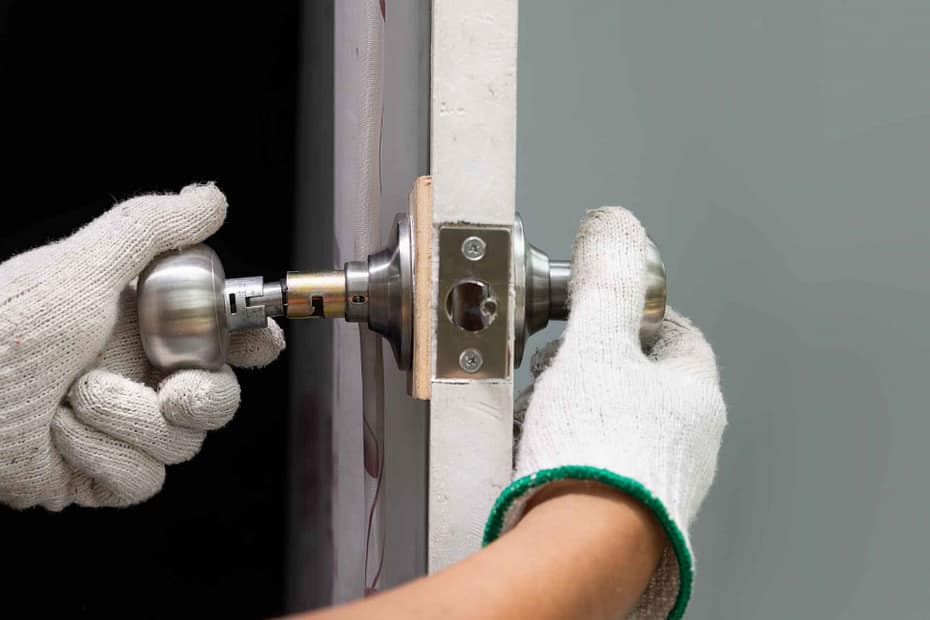
Many homeowners try installing a door during a home improvement project, but common door installation mistakes can quickly affect the door’s functionality, security, and energy efficiency. When a door is not installed properly, it may not fit the rough opening, leaving gaps that cause air leakage and alignment issues. These mistakes often start with incorrect measurements, poor door frame leveling, or the use of the wrong screws during door installation.
Whether installing an interior door, exterior door, or prehung doors, precision is essential. The door frame, door jambs, hinges, and hardware must align correctly for the door to close properly. If the door size or rough opening is wrong, the door may not operate smoothly. Understanding these common mistakes helps homeowners achieve a secure fit, protect the interior, and improve energy efficiency.
Why Proper Door Installation Matters
Door installation affects more than just appearance. A door installed properly protects your home from air leakage, water damage, and security risks. Proper alignment of the door frame, hinges, and strike plate allows the door to close properly. This alignment helps maintain energy efficiency and protects the interior from weather exposure.
According to the U.S. Department of Energy, homes and commercial buildings consume about 40% of the total energy used in the United States. The agency also estimates that $200 to $400 of a typical homeowner’s annual energy costs may be wasted because of drafts and air leaks around openings such as doors and windows. Proper door installation, weather stripping, and insulation help reduce these losses and improve energy efficiency.
Correct installation also improves curb appeal and aesthetic appeal. A door that fits perfectly enhances both aesthetics and function. Poor installation may cause premature wear on hinges, door materials, and hardware. Over time, these issues may lead to structural weakness or costly repairs.
What Are The Common Door Installation Mistakes
Homeowners often encounter common mistakes when installing a door. Many problems occur during measuring, leveling, or fastening. The following door installation mistakes frequently affect both interior and exterior door performance.
Incorrect Door Measurements
Choosing the wrong size is one of the most common door installation mistakes. If the door size does not match the rough opening, the door will not fit properly. Many homeowners measure the door instead of measuring the opening in the wall.
Accurate measurements must include door height, width, and space for trim. Even small differences can prevent the door from fitting perfectly. A door that does not match the opening may cause gaps or alignment problems.
Improper Door Frame Leveling
The door frame must remain level during installation. If the frame shifts, the door may swing open or close by itself. Using a leveling tool helps confirm proper alignment before securing the frame.
When the frame is not level, the hinges and latch may fail to align. This misalignment affects the door’s functionality and security. Over time, the door may rub against the jamb or floor.
Poor Shimming and Frame Support
Shims help stabilize the door frame during installation. Improper shimming often leads to a loose frame or uneven pressure. This mistake may cause the door jambs to shift after installation.
Without proper support, the door may develop gaps around the frame. The door may also fail to close properly. Correct shimming ensures the frame remains secure and stable.
Using the Wrong Screws
Using the wrong screws can weaken the door installation. Short screws may fail to anchor the frame to the wall studs. This issue can lead to structural weakness and stripped holes.
A longer screw provides better support for heavy doors. Exterior door installations often require stronger fasteners. Proper screws help secure hinges, locks, and door hardware.
Incorrect Hinge Placement
Hinges control how the door moves within the frame. If the hinge side is misaligned, the door may sag or rub against the jamb. Incorrect hinge placement also affects swing direction.
The hinge position must match the door materials and door weight. A poorly placed hinge may create pressure on the door frame. Over time, this pressure causes premature wear.
Misaligned Door Hardware
Door hardware includes locks, handles, and strike plates. If the strike plate does not align with the latch, the door will not close properly. This issue can also affect security.
Incorrect installation of hardware often occurs when measurements are rushed. The latch must align with the strike plate and door jamb. Proper placement ensures a secure and smooth operation.
Ignoring Weatherproofing and Insulation
Exterior door installation requires proper insulation and sealing. Missing weather stripping can lead to air leakage and energy loss. Moisture may also enter the home through gaps.
Weather stripping prevents drafts and protects against water damage. Proper insulation around the door frame improves energy efficiency. Without insulation, the door may reduce comfort inside the home.
Installing the Door in the Wrong Orientation
The swing direction determines how a door opens in a room. Installing the door incorrectly may block walkways or furniture. This mistake often happens when homeowners ignore hinge orientation.
Before installing a door, check the hinge side and swing direction. Proper orientation ensures the door opens comfortably. This step improves the door’s functionality and usability.
Skipping Frame Preparation
The frame and rough opening must remain clean and stable. Damaged materials or uneven walls can affect the installation. Skipping preparation may lead to long-term alignment issues.
Inspect the sill, jamb, and surrounding wall before installing. Remove debris and repair damaged materials. A stable frame helps ensure a secure fit.
Not Testing Door Operation
Many installers secure the door without testing the movement. A door should open and close smoothly before final fastening. Testing prevents future issues with alignment or hardware.
Checking the door during installation helps identify mistakes early. Adjusting hinges or shims can correct minor problems. This step ensures the door fits and operates properly.
What Are The Common Door Installation Mistakes and Their Effects
| Door Installation Mistake | Problem It Causes |
| Incorrect measurements | The door does not fit the rough opening |
| Frame not level | The door swings open or fails to close |
| Wrong screws | Weak frame support |
| Misaligned strike plate | The door will not latch |
| Missing insulation | Air leakage and energy loss |
| Incorrect hinge placement | Door sagging or rubbing |
This table highlights how small mistakes during door installation can lead to serious problems later.
What Are The Signs a Door Was Installed Incorrectly
Homeowners often notice problems soon after installation. Recognizing these signs early can prevent future issues.
Common signs of incorrect installation include:
- The door does not close properly
- Gaps appear around the door frame
- The latch does not align with the strike plate
- Drafts or air leakage occur near the frame
- The door rubs against the floor or jamb
- Hinges become loose or stripped
These issues often result from improper measurements, leveling errors, or poor hardware placement.
How to Avoid Door Installation Mistakes
Avoiding door installation mistakes begins with careful planning and proper tools. A successful installation requires precise measurements and attention to detail. Homeowners should measure the rough opening carefully before purchasing a new door.
Use a leveling tool to confirm the frame remains square and aligned. Secure the frame with longer screws to improve structural support. Install weather stripping and insulation to improve energy efficiency. These steps help ensure the door fits properly and performs well.
Door Installation Tips for Different Door Types
Different door materials and designs require slightly different installation methods. Interior doors often weigh less than exterior doors. However, both require proper alignment and secure hardware.
Interior Door Installation Tips
Interior door installation focuses on smooth operation and aesthetic appeal. The door must align with the jamb and trim. Proper hinge placement helps maintain balance and prevent sagging.
Interior doors also require accurate measurements of door height and width. Even small gaps may affect the appearance of the room.
Exterior Door Installation Tips
Exterior door installation requires additional protection against the weather. Weather stripping, insulation, and sealing are critical. These steps prevent water damage and air leakage.
Exterior doors often use stronger materials such as composite doors or solid wood. These materials improve security and durability. Correct installation ensures long-term performance.
When to Seek Professional Help
Installing a door may seem simple, but the process often requires experience and the right tools. Many homeowners struggle with door frame alignment, hinge placement, and door hardware installation. Even small errors during door installation can cause the door to stick, fail to close properly, or develop gaps around the frame. Seeking professional help can prevent costly mistakes and ensure the door fits properly within the rough opening.
Professional installers understand local building codes and proven installation techniques. They also have specialized tools to achieve proper alignment and a secure fit. Experts can recommend the right door materials, whether you choose composite doors, steel doors, or wood doors. With professional installation, the door operates smoothly, improves energy efficiency, and maintains long-term security.
Conclusion
Understanding common door installation mistakes helps homeowners avoid problems that affect a door’s functionality, security, and energy efficiency. Errors like incorrect measurements, poor door frame leveling, wrong screws, and misaligned hardware can prevent a door from fitting properly or closing smoothly. These issues may lead to air leakage, structural weakness, and premature wear over time. Careful planning, accurate measurements, and proper installation techniques help ensure the door fits perfectly and performs reliably for years.
At Madison Door, our experienced team helps homeowners avoid common door installation mistakes with precise measurements, professional installation, and high-quality door materials. Whether you are replacing an interior door, installing a new exterior door, or upgrading door hardware, we ensure every door is installed properly for lasting performance, energy efficiency, and curb appeal. Request a quote today to discuss your project and schedule expert door installation you can trust.
FAQs
What tools are needed to install a door correctly?
Installing a door typically requires a leveling tool, drill, measuring tape, screws, and shims. These tools help ensure the door frame stays level and the door fits properly in the rough opening. Using the right tools reduces alignment problems and improves the door’s functionality.
Can door installation mistakes affect home security?
Yes, door installation mistakes can weaken home security. Misaligned hinges, loose door hardware, or an improperly installed strike plate may prevent the door from locking securely. Correct installation ensures the door frame, locks, and latch work together to protect the home.
How long does proper door installation usually take?
Professional door installation typically takes one to three hours for a standard door replacement. More complex projects, such as installing exterior doors or modifying the rough opening, may take longer. Proper preparation and measurements help avoid delays during installation.
Do local building codes affect door installation?
Yes, local building codes often regulate exterior door installation, especially for safety and energy efficiency. Codes may specify door size, insulation requirements, and proper hardware placement. Following these rules ensures the door installation meets safety standards and passes inspections.