
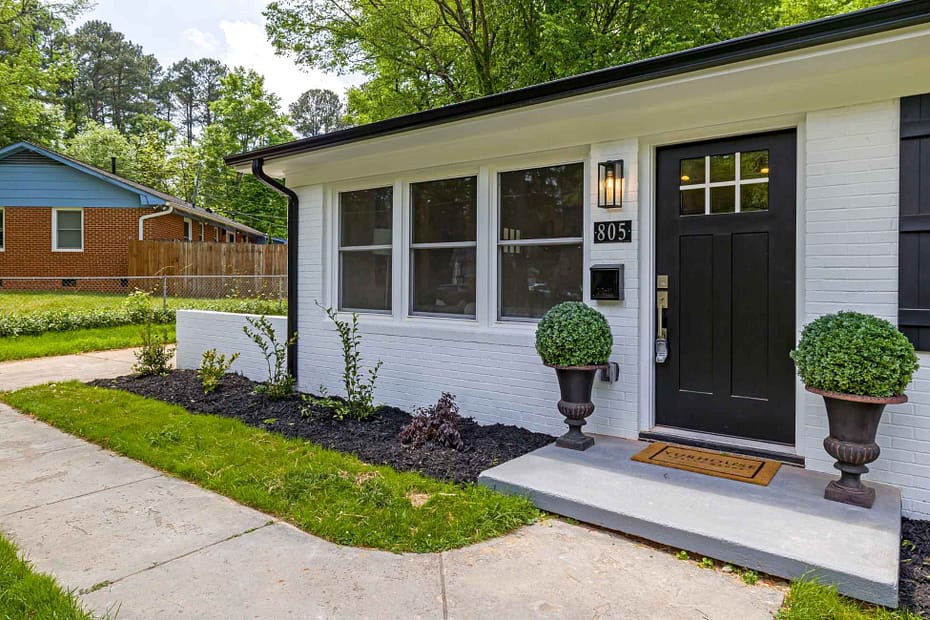
Choosing the best material for front door projects is one of the most important decisions for homeowners. Your front door affects security, style, and overall performance. The best front door material depends on your priorities, including durability, maintenance, and energy efficiency. Understanding each door material helps you select the right material for your home with confidence.
A well-chosen front entry door improves curb appeal and keeps your family safe. It also reduces energy loss and protects your home from the elements. With several door material options available, it is important to compare features, benefits, and long-term value before choosing.
Why the Right Front Door Material Matters
Your front door material plays a major role in your home’s appearance and protection. A well-designed front entry door improves curb appeal and creates a strong first impression. At the same time, it helps keep your family safe by adding a secure barrier against unwanted entry.
The right material also affects performance in different weather conditions. Homes exposed to extreme weather conditions, heat, or humid climates require durable materials that resist damage. Choosing wisely can reduce maintenance costs, improve comfort, and support long-term energy savings.
What Is the Best Material for a Front Door?
There is no single best material that works for every home. The best material for front door selection depends on your budget, style, and local climate. Some homeowners prioritize maximum security, while others focus on low maintenance or design.
The most common door material options include wood doors, fiberglass doors, and steel doors. These three materials dominate the market because they offer different benefits for different needs. Understanding how each performs helps you choose the right front door for your home.
What Are the Different Front Door Materials?
The most common front door materials include wood doors, fiberglass doors, and steel doors, each offering different benefits. Understanding how these materials perform helps you choose the right option based on durability, maintenance, and overall style.
Wood Front Doors
Wood front doors offer a timeless and premium look. Many homeowners prefer real wood or solid wood because of its natural beauty and customization options. These doors work especially well for historic homes or traditional designs.
However, wood requires regular maintenance to stay in good condition. Exposure to moisture and seasonal changes can cause warping or cracking. While beautiful, wood doors often require more care than other materials.
Fiberglass Front Doors
A fiberglass front door is one of the most popular choices for modern homes. Fiberglass composite doors are known for being low-maintenance, weather-resistant, and highly durable. They can also mimic the look of real wood with a similar finish.
These doors perform well in humid climates and areas with frequent seasonal changes. Many homeowners choose fiberglass because it offers a balance of durability, energy efficiency, and style without requiring constant upkeep.
Steel Front Doors
Steel doors are known for strength and maximum security. A steel entry door provides excellent protection and is often more affordable than other materials. Many models include an insulated core for better performance.
Although strong, steel can be prone to dents or rust if not properly maintained. However, modern coatings and finishes help improve durability. For homeowners focused on safety, steel remains a reliable choice.
Front Door Material Comparison
Comparing different front door materials helps you understand how each option performs in terms of durability, maintenance, and security. This side-by-side view makes it easier to choose the best material for front door upgrades based on your needs and priorities.
| Material | Durability | Maintenance | Security | Style | Cost |
| Wood | Medium | High | Medium | High | $$$$ |
| Fiberglass | High | Low | High | High | $$$ |
| Steel | High | Low | Very High | Medium | $$ |
When evaluating the best material for front door options, the quality of the manufacturer also plays a major role. Trusted brands like ProVia are known for producing high-performance entry doors using steel, fiberglass, and wood systems designed for durability, energy efficiency, and long-term reliability.
Which Front Door Material Is Most Secure?
Security is one of the top priorities when choosing a front entry door. Steel doors provide the highest level of protection due to their strength and resistance to forced entry. This makes them a strong option for homeowners who want maximum security.
Fiberglass doors also offer strong performance, especially when combined with a reinforced frame. However, the overall security of entry doors depends on installation quality, locks, and hardware. Even the best door material needs proper installation to keep your family safe.
How Does Energy Efficiency and Insulation Affect Your Front Door?
Energy efficiency plays a key role in choosing the best material for front door upgrades. A well-insulated front door helps reduce air leakage and maintain indoor temperature. This leads to better comfort and lower utility bills.
According to the U.S. Department of Energy, homes use about 40% of total energy, and homeowners may waste $200 to $400 each year due to drafts and inefficient openings.
Most energy-efficient doors use an insulated core with foam insulation to improve performance. Steel and fiberglass doors often include these features, making them highly energy efficient. Wood doors can also perform well, but their efficiency depends on construction quality.
Cost vs Long-Term Value
When comparing door material options, it is important to look beyond the initial price. Steel doors are often the most affordable upfront, making them a popular choice for budget-conscious homeowners. Fiberglass doors cost more but offer better durability and less maintenance over time.
Wood doors are typically the most expensive due to their craftsmanship and materials. However, they provide unmatched style and customization. Considering maintenance costs, energy savings, and lifespan helps determine the true value of your new front door.
How to Choose the Best Material for Your Front Door
Choosing the best material for front door installation becomes easier when you focus on your specific needs. Every homeowner has different priorities, so understanding what matters most will guide your decision.
Choose Based on Your Priorities:
- Low maintenance → Choose fiberglass
- Maximum security → Choose steel
- Premium appearance → Choose wood
- Long-term durability → Fiberglass
- Budget-friendly option → Steel
This simple checklist helps narrow down the material options without confusion. It allows you to focus on what matters most for your home.
What Common Mistakes Should You Avoid When Choosing a Front Door Material?
Choosing the wrong front door material can lead to higher costs and performance issues over time. Avoiding common mistakes helps protect your investment and ensures better results.
Avoid These Mistakes:
- Choosing based on looks only, without considering durability
- Ignoring your local climate and weather exposure
- Overlooking insulation and energy efficiency
- Selecting materials that require more maintenance than expected
A well-informed decision helps you avoid unnecessary repairs and replacements later.
Design, Style, and Customization Options
Your front door is a major design element of your home. Choosing the right style enhances curb appeal and reflects your personal taste. Many homeowners prefer doors with decorative glass accents or glass panes to allow natural light into the entryway.
Modern fiberglass front door designs can replicate wood textures while maintaining a smooth surface. Options like wood veneer over an engineered wood core provide the look of wood with improved durability. Exploring different finishes and details helps you find the perfect match for your home.
Durability and Lifespan
Durability is one of the most important factors when selecting a front door material. A durable door withstands daily use and protects your home from the elements. Fiberglass doors are known for their long lifespan and resistance to wear.
Steel doors also offer strong durability, but they may dent under impact. Wood doors, when properly maintained, can last for decades. However, they require more care to maintain their appearance and structure.
Maintenance Requirements
Each door material has different maintenance needs. Understanding the level of care required helps you choose a door that fits your lifestyle. Some homeowners prefer low-maintenance options, while others are willing to invest time in upkeep.
Wood doors require regular maintenance, including sealing and refinishing. Steel doors need protection against rust, especially in wet environments. Fiberglass doors require the least maintenance, making them ideal for busy homeowners.
Additional Features to Consider
Modern entry doors offer more than just basic functionality. Many include advanced features that improve comfort, safety, and performance. These upgrades can enhance your overall experience and increase home value.
Key Features to Look For
- Foam insulation for better energy efficiency
- Thermal break technology to reduce heat transfer
- Storm doors for added protection
- Reinforced frames for maximum security
These features contribute to increased energy efficiency and long-term performance.
Conclusion
Choosing the best material for front door upgrades comes down to balancing durability, energy efficiency, style, and long-term value. Wood, fiberglass, and steel each offer different advantages, so the right choice depends on your priorities, local climate, and maintenance preferences. A well-selected front door improves curb appeal, enhances security, and helps reduce energy loss, making it a valuable investment for your home over time.
At Madison Door, we help homeowners find the right front door that fits their needs, style, and budget. Our team offers expert guidance and high-quality options, including trusted brands like ProVia, designed for durability and energy-efficient performance. If you are planning a new front door, request a free quote now and explore the best solutions for your home.
FAQs
What is the best front door material for extreme weather conditions?
Fiberglass is often the best choice for extreme weather conditions because it resists moisture, temperature changes, and warping. Steel also performs well when properly coated, while wood may require more maintenance in harsh environments.
Are fiberglass doors better than steel doors for energy efficiency?
Fiberglass doors are generally more energy efficient because they resist heat transfer and handle temperature changes better. Steel doors can also be energy efficient when they include an insulated core.
Do front door materials affect home insurance or safety ratings?
Yes, stronger materials like steel and reinforced fiberglass can improve home security, which may influence insurance considerations. A properly installed, secure entry door can help reduce risk and improve overall protection.
Should I choose a front door with glass panels or solid construction?
Glass panels can improve natural light and style, but they may reduce privacy and security if not reinforced. Solid doors or doors with secure decorative glass options provide a better balance between design and protection.