
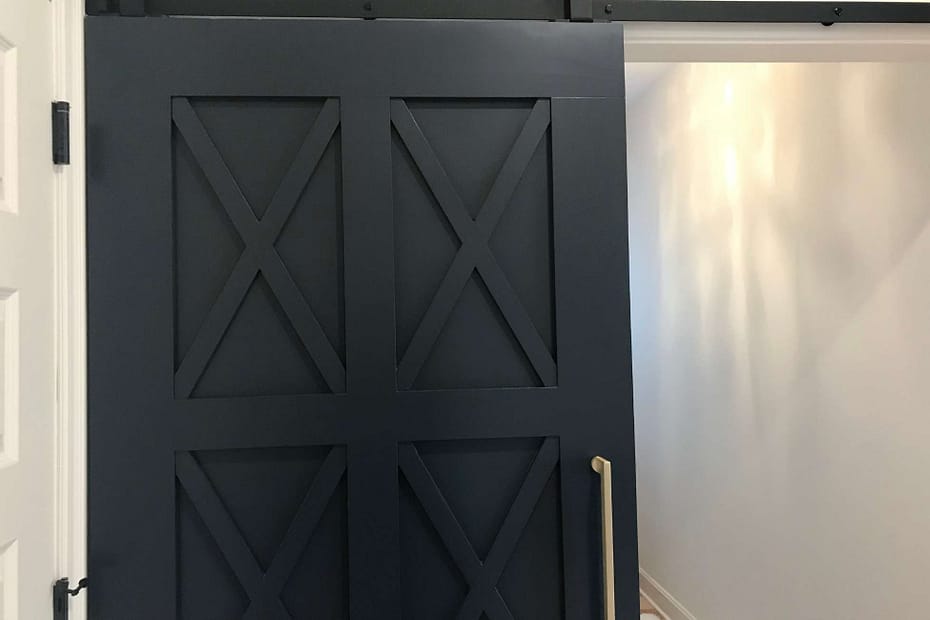
A weatherproof exterior sliding barn door is built to handle outdoor exposure while still moving smoothly along a sliding track. Unlike interior sliding barn doors, these systems must deal with rain, wind, and constant temperature changes. Many homeowners and business owners choose exterior sliding barn doors because they save space and allow easy access to large openings. When designed correctly, they offer a durable and long-lasting solution for garages, barns, and modern exterior doors.
At the same time, not every sliding barn door is ready for outdoor use. A standard interior door will fail quickly when exposed to weather. The difference comes down to materials, sealing, hardware, and how the system is installed on the wall.
Can a Weatherproof Exterior Sliding Barn Door Actually Work?
Yes, a weatherproof exterior sliding barn door can work, but only when built as a complete system. Sliding doors are not naturally airtight because they move along a track instead of sealing with hinges. This design creates small gaps that must be controlled.
A well-built system reduces these gaps through sealing, overlap, and proper alignment. When done right, the door can block rain, reduce airflow, and protect the interior space. When done poorly, water and air will find their way inside.
What Makes a Weatherproof Exterior Sliding Barn Door Effective?
A weatherproof exterior sliding barn door works because of how each part supports the system. It is not one feature that creates protection. It is a combination of sealing, materials, and hardware working together.
When any part is missing, performance drops. That is why exterior sliding doors must be designed differently from interior sliding barn doors.
Sealing System
The sealing system controls how much air and water enter around the door. It includes top seals, side seals, and bottom guides that close the gaps.
Brush seals and rubber gaskets are commonly used because they allow movement while blocking wind and rain. An overlap design also helps by covering the edges of the opening.
Durable Materials
Material choice directly affects durability and performance. Exterior barn doors must resist moisture, heat, and daily use without warping or breaking down.
Steel and aluminum are strong and durable, making them ideal for heavy-duty use. Composite materials also perform well because they resist moisture and require less maintenance. Wood can be used, but it must be sealed and maintained regularly.
Heavy-Duty Hardware
The sliding track and rollers must handle the full weight of the door. Exterior systems use heavy-duty hardware with protective coatings to prevent rust.
A strong sliding track keeps movement smooth and stable. Poor hardware leads to sticking, noise, and faster wear over time.
Where Most Exterior Sliding Barn Doors Fail
Most exterior sliding barn doors fail because they are not built for outdoor conditions. Many people install interior sliding doors outside, which leads to early damage.
The most common issues include:
- Poor sealing that allows rain and air inside
- Misaligned track that creates gaps
- Weak materials that warp or crack
- No drainage planning at the base
These problems are not caused by the concept of sliding doors. They happen because the system was not designed for exterior use.
Best Materials for Weatherproof Exterior Sliding Barn Doors
Choosing the right material helps prevent damage and reduces maintenance. Each option has different strengths depending on the use case.
| Material | Weather Resistance | Maintenance | Best Use |
| Aluminum | High | Low | Long-term exterior use |
| Steel | Very High | Medium | Heavy-duty commercial or barn use |
| Wood | Medium | High | Design-focused exterior doors |
| Composite | High | Low | Balanced residential option |
Aluminum and composite materials are often the best choice for homeowners. They offer durability without requiring constant maintenance.
How to Make a Sliding Barn Door Work Outdoors
A weatherproof exterior sliding barn door depends on proper setup. Even the best door will fail if installed incorrectly. To get the best performance, focus on construction, sealing, and protection.
Use Exterior-Grade Construction
Always choose a door built for exterior use. This means using materials that resist moisture and temperature changes. Insulated cores can also improve performance by reducing heat transfer.
Install Proper Sealing
Sealing is what controls airflow and water entry. Add weather stripping along the top and sides, and install a bottom guide to reduce gaps. This step is often overlooked, but it makes the biggest difference in performance.
Protect the Opening
Adding an overhang or awning reduces direct exposure to rain. This simple step improves durability and extends the life of the door. Keeping water away from the opening is one of the easiest ways to improve results.
Exterior Sliding Barn Door vs. Hinged Doors
Sliding barn doors and hinged exterior doors serve different purposes. Each option has strengths depending on the space and use.
| Feature | Sliding Barn Door | Hinged Door |
| Space usage | Saves space | Needs swing clearance |
| Weather sealing | Moderate with proper setup | Strong natural seal |
| Installation | More complex | More straightforward |
| Best use | Large openings, barns, garages | Standard house entry |
Sliding doors are a good option when space is limited or when wide access is needed. Hinged doors are better when maximum sealing is required.
How to Improve Security for Exterior Sliding Barn Doors
Security is a common concern with exterior sliding barn doors, especially for residential and commercial use. Unlike hinged doors, sliding doors do not lock into a frame the same way. However, with the right setup, they can still provide strong protection and peace of mind.
Improving security comes down to using the right locks, reinforcing the door structure, and preventing forced movement along the sliding track.
Use Proper Locking Systems
Standard latches are not enough for exterior use. A weatherproof exterior sliding barn door should include secure locking systems designed for outdoor conditions.
Common options include:
- Hook locks that secure the door to the wall
- Deadbolt-style locks for stronger resistance
- Floor-mounted locks for added stability
These options help prevent forced entry while keeping the system easy to use.
Add Anti-Lift Protection
Sliding barn doors can be vulnerable if they can be lifted off the track. Anti-lift brackets or stops prevent the door from being removed from the sliding track.
This simple addition makes a big difference in overall security and is often overlooked during installation.
Choose Reinforced and Durable Materials
The strength of the door itself also affects security. Steel and aluminum doors provide better resistance against impact compared to standard wood doors.
Solid core construction adds another layer of protection, especially for exterior doors exposed to frequent use.
Ensure Proper Installation and Alignment
Even the best locks will not work if the door is not installed correctly. Gaps, loose hardware, or misalignment can weaken the system.
A properly installed door sits tight against the wall, moves smoothly, and closes securely without shifting. This helps maintain both security and long-term durability.
When a Weatherproof Exterior Sliding Barn Door Makes Sense
A weatherproof exterior sliding barn door works best in specific situations. It is not always the right choice for every opening.
It is a strong option when you need:
- Access to large openings like barns or garages
- Space-saving design where swing doors are difficult
- A modern or rustic style that fits the property
- A durable system for commercial or agricultural use
In these cases, sliding barn doors provide both function and design value.
Why Installation Matters More Than the Door
Installation plays a major role in how well a weatherproof exterior sliding barn door performs. Even a high-quality door will fail if it is installed incorrectly. Studies from the National Institute of Standards and Technology show that improper installation is a leading cause of water intrusion and air leakage in building systems. The system relies on precise alignment to control gaps, maintain smooth movement, and handle weather exposure over time.
The sliding track must be level and securely mounted to the wall, while the door should sit straight and close tightly against the opening. Small alignment issues can create gaps that affect sealing and allow air or rain inside. Professional installation helps prevent these problems and supports long-term durability.
Maintenance Tips for Long-Term Performance
A weatherproof exterior sliding barn door still needs regular maintenance. This keeps the system working smoothly and prevents early wear.
Follow these simple steps:
- Clean the sliding track to remove dirt and debris
- Check seals and replace worn weather stripping
- Inspect hardware for rust or loose parts
- Reapply protective finishes when needed
Routine care helps maintain smooth movement and protects the door from damage.
Conclusion
A weatherproof exterior sliding barn door works when the full system is done right. It depends on durable materials, proper sealing, and precise installation working together. When these elements are in place, sliding barn doors can handle outdoor conditions, move smoothly, and provide reliable access over time. They give you flexibility, easy access, and peace of mind, knowing the door will perform through changing weather conditions.
At Madison Door, we design and install weatherproof exterior sliding barn doors built for real-world performance. Our team focuses on durable materials, heavy-duty hardware, and accurate installation to help your door function the way it should. Whether you are planning a new project or need to replace an existing system, request a quote today to discuss the right solution for your space.
FAQs
How much gap should a weatherproof exterior sliding barn door have?
A weatherproof exterior sliding barn door should have minimal gaps, typically between 1/4 inch and 1/2 inch, depending on the sealing system. These gaps allow smooth movement along the sliding track while still supporting proper sealing. The goal is to reduce airflow and water entry without restricting door operation.
Can you add insulation to a sliding barn door for exterior use?
Yes, you can add insulation to a weatherproof exterior sliding barn door using insulated cores or layered construction. Many exterior sliding barn doors use foam-filled panels or composite materials to improve thermal performance. This helps reduce heat transfer and improves comfort inside the space.
Are glass panels a good option for exterior sliding barn doors?
Glass panels can be used in exterior sliding barn doors if they are tempered or insulated. They allow natural light while maintaining durability and safety. However, proper sealing around the glass is important to prevent leaks and maintain weather resistance.
How long does a weatherproof exterior sliding barn door last?
A weatherproof exterior sliding barn door can last 15 to 30 years, depending on materials, installation quality, and maintenance. Steel and aluminum systems tend to last longer than wood, especially in harsh weather conditions. Regular maintenance helps extend lifespan and maintain smooth operation.