
Replacing your entry door is one of the most effective ways to enhance your home’s curb appeal and energy efficiency. Whether you’re looking to improve the security of your home or simply upgrade the style of your home’s exterior, choosing the right entry door can make a big difference.
In this entry door replacement guide, we’ll explore everything you need to know, from choosing the right door to ensuring a smooth operation and energy-efficient installation. You’ll also learn how to ensure your new door operates smoothly and contributes to better energy efficiency, providing long-lasting benefits for your home’s value and security.
Why You Should Replace Your Entry Door
Your entry door plays a key role in your home’s security, energy efficiency, and overall appearance. Over time, an existing door can become worn, outdated, or less effective at insulating your home. Gaps, poor sealing, and aging materials can lead to air leaks, heat loss, and reduced protection, making a new entry door a practical upgrade for many homeowners. According to the National Association of REALTORS, replacing a front door is one of the highest-return home upgrades, with steel doors recovering up to 100% of their cost and fiberglass doors around 80%.
Upgrading to modern options like steel doors, fiberglass doors, or solid wood designs offers clear benefits. Stronger materials improve security, while improved insulation helps reduce heat transfer and maintain indoor comfort. At the same time, updated front door styles can enhance your home’s curb appeal, creating a better first impression and increasing overall value.
Signs It’s Time to Replace Your Entry Door
It’s easy to overlook the signs that your entry door needs replacement. However, there are clear indicators that it may be time for a new door installation. Here are some common signs:
- Visible Damage: Cracks, dents, or warping can make your door look worn and less secure.
- Drafts or Temperature Changes: If you feel cold air around your door, it’s likely due to poor insulation or air leaks around the door frame.
- Difficulty in Operation: If your door sticks or doesn’t close smoothly, it may have shifted out of alignment, leading to tighter-fitting frames.
- Outdated Style: If your door looks out of place or doesn’t match your home’s style, a replacement can improve your home’s curb appeal.
- Security Issues: Older front doors may not be as secure as modern options. A new front door with decorative glass and better hardware can help keep your home safe.
How to Choose the Right Entry Door
Selecting the right entry door is a crucial decision that affects your home’s style, energy efficiency, and security. This entry door buying guide will walk you through the key considerations to make before making your purchase.
1. Door Material
One of the first decisions you’ll need to make is choosing the door material. Different materials offer distinct advantages depending on your needs and the climate of your area.
- Steel Doors: If security is your top priority, steel doors are a great choice. Steel offers enhanced strength, making it difficult to break into, and it provides excellent energy efficiency by minimizing heat transfer. Steel doors are also low-maintenance and can withstand extreme climates.
- Fiberglass Doors: Known for their energy efficiency, fiberglass doors offer a low-maintenance solution while still looking like real wood. They are resistant to warping, cracking, and denting, and provide better insulation than many other materials.
- Wood Doors: If you prefer a natural wood finish, wood doors are a classic choice. While they require more maintenance than fiberglass doors or steel doors, they provide a timeless look that enhances the curb appeal of traditional homes. Solid wood doors are particularly strong and offer a beautiful, warm aesthetic.
- Glass Panels: If natural light is important to you, consider a door with glass inserts. You can opt for tempered glass for added strength, or decorative glass to add a stylish element to your door. Glass panels are also available in various styles, from clear to frosted or textured.
2. Door Styles
There are various front door styles to choose from, depending on the home’s style and your personal preferences. Some popular options include:
- Modern Home: Sleek lines and minimalistic designs, often featuring glass and metal.
- Traditional Home: Classic wood doors with panel styles and elegant detailing.
- Dutch Doors: Split doors that allow you to open the top half for fresh air while keeping the bottom half closed for added security.
- Panel Styles: Panel doors with raised or flat panels give a timeless, elegant look and are available in both wood and fiberglass materials.
Measuring for Your New Entry Door
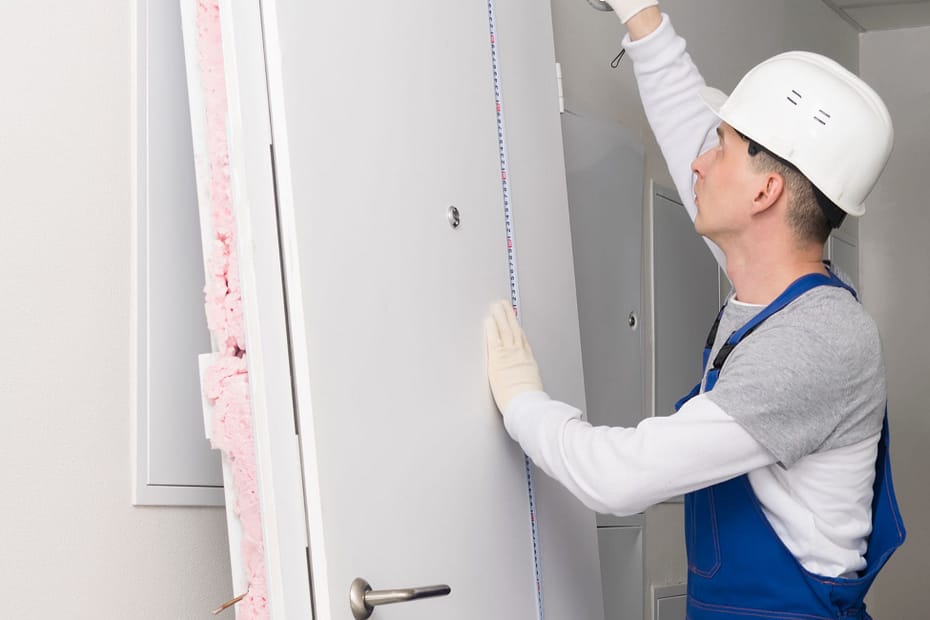
Accurate measurements are critical to ensuring your new entry door fits perfectly into your door frame. Here’s how to measure for a new door:
- Width: Measure the width of the rough opening (the space where the door will fit) from jamb to jamb.
- Height: Measure from the threshold to the top of the opening.
- Depth: Check the thickness of your existing door and frame to ensure your prehung door fits correctly.
- Door Slab: If you’re replacing just the door (not the entire frame), measure the door slab to match the dimensions of the new door.
To ensure proper fit, it’s always a good idea to consult with a professional. A proper installation can help you avoid air leaks and improve energy efficiency.
The Door Installation Process
Installing a new entry door involves several key steps to ensure smooth operation and security. Whether you opt for professional installation or decide to tackle the project yourself, here’s an overview of the process:
Step 1: Removing the Existing Door
Use a pry bar to carefully remove the existing door. If the door frame is in good condition, you may be able to keep it, but be prepared to replace it if necessary.
Step 2: Preparing the Door Frame
If you’re installing a new door frame, make sure the rough opening is square and level. Use a tape measure and level to ensure that the frame is properly aligned.
Step 3: Installing the New Door
- For a prehung door, place the door in the opening and secure it with screws.
- For a door slab, you may need to attach the hinges to the door and fit it into the frame.
- Ensure the door closes smoothly and locks properly before securing the strike plate.
Step 4: Sealing and Weatherproofing
Proper sealing is essential to prevent air leaks and maintain energy efficiency. Apply weatherstripping around the door frame and ensure there are no gaps.
Cost Considerations for Entry Door Replacement
The cost of replacing your entry door will vary based on several factors, including the material, style, and whether you hire a professional for installation. On average, here are some costs to consider:
- Fiberglass Doors: $500–$2,500, depending on customization and energy efficiency features.
- Steel Doors: $400–$2,000, with added security features.
- Wood Doors: $800–$3,000, depending on the wood type and design.
- Professional Installation: $300–$1,000, depending on the complexity of the job.
Maintaining Your New Entry Door
Proper care helps your new entry door last longer and perform as expected. Regular cleaning keeps fiberglass doors and steel doors free from dirt buildup that can affect their finish. Wiping the surface and checking for minor wear can help maintain both appearance and durability over time.
Sealing and hardware checks are just as important for daily use. Inspect the weatherstripping to prevent air leaks and maintain energy efficiency, especially during temperature changes. At the same time, lubricate the hinges, locks, and strike plate to keep the door operating smoothly and securely.
Conclusion
Replacing your entry door is a great way to improve your home’s security, energy efficiency, and curb appeal. Whether you choose a steel door, fiberglass door, or wood door, there are plenty of options to fit your needs and your home’s style.
At Madison Door, we offer a wide selection of Provia entry doors designed to meet the highest standards of performance and aesthetics. Request a quote today to learn more about our door installations and to schedule your new door installation.
FAQs
How long does entry door replacement take?
Most entry door replacement projects take between 3 and 6 hours when handled by professionals. The exact time depends on the condition of the door frame, the type of entry door, and whether adjustments to the rough opening are needed. A simple replacement of just the door is faster, while full door installations with frame repairs may take longer.
Can I replace just the door without replacing the frame?
Yes, you can replace just the door if the existing door frame is in good condition and properly aligned. This is called installing a door slab, which fits into the current frame. However, if the frame has damage, rot, or air leaks, a prehung door is a better option for improved fit and energy efficiency.
What is the most energy-efficient entry door material?
Fiberglass doors are often the most energy-efficient option because they offer strong insulation and resist temperature changes. They help reduce heat transfer and prevent air leaks, making them ideal for many homeowners. Steel doors also perform well, especially when paired with insulated cores and tighter fitting frames.
Do I need a permit to replace my front door?
In most cases, replacing a front door does not require a permit if the size of the opening remains the same. Permits may be needed if you are changing the rough opening, modifying structural elements, or working on a new construction project. It’s best to check with your local building authority before starting the installation.