
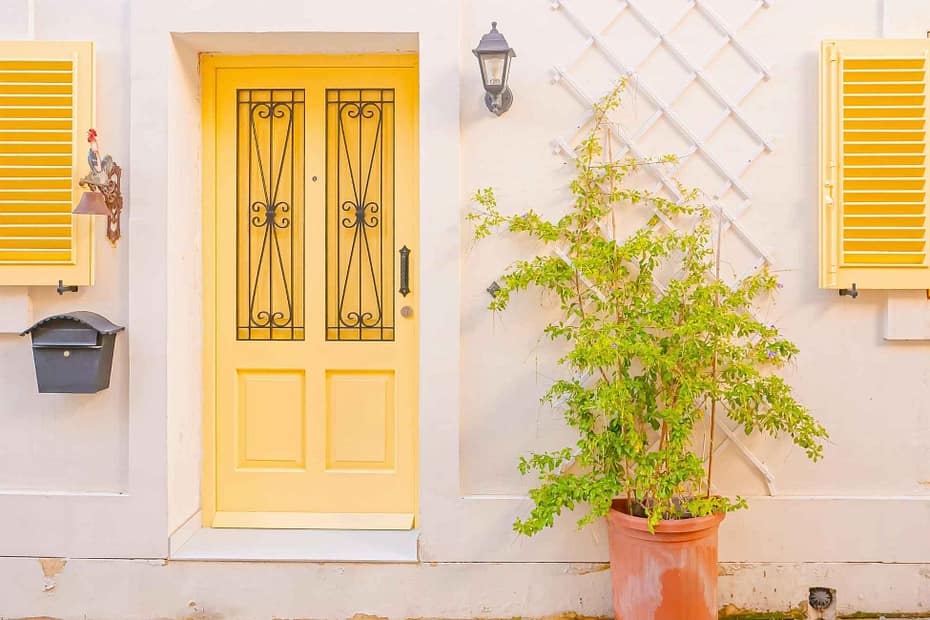
Entry doors for traditional homes play a defining role in how a house feels and functions. The front door creates the first impression and sets the tone for the entire entrance. Homeowners seeking timeless design often focus on balance, quality, and lasting beauty.
This guide explores entry doors for traditional homes with clear, practical guidance. You will learn how materials, door styles, glass, and colors work together, drawing inspiration from timeless designs and quality craftsmanship. Each section helps you choose a door that suits your home’s entrance and aesthetic preferences. It also reflects the design expertise Madison Door offers to homeowners seeking refined, lasting solutions.
What Defines Entry Doors for Traditional Homes
Traditional front doors reflect classic lines, symmetry, and timeless sophistication. They feel familiar, refined, and rooted in architectural history. These doors avoid trends that fade quickly and focus on enduring style.
Entry doors for traditional homes typically feature balanced proportions and detailed elements. Panels, glass inserts, and subtle ornamentation add classic charm without excess. The goal is a door that feels natural to the house rather than one added later.
Key Traits of Traditional Entry Doors
- Symmetry and proportion guide the overall design
- Materials emphasize warmth and authenticity
- Details feel intentional and restrained
Traditional Architectural Styles and Door Design
Traditional homes follow established architectural styles that influence door ideas. Understanding your house style helps determine the right door design. Each style favors specific proportions, materials, and glass treatments.
Colonial homes often use centered entryways with paneled wood doors. Craftsman houses favor solid forms and visible wood grain. Victorian homes may include decorative glass and richer colors.
Materials Used in Traditional Entry Doors
Material choice affects appearance, durability, and long-term performance. As a result, traditional entry doors often rely on materials with proven history. At the same time, modern construction improves these materials without changing their character.
For example, wood doors remain the most iconic option for traditional homes. Meanwhile, fiberglass doors offer a convincing wood look with added resistance. Steel doors appear less often, yet they still suit certain classic designs. Many homeowners exploring fiberglass or steel options often look to ProVia for doors designed with durability, energy performance, and traditional styling in mind.
Common Materials and Their Benefits
| Material | Appearance | Durability | Maintenance | Best Use |
| Wood | Natural warmth and beauty | Moderate | Regular care | Authentic traditional style |
| Fiberglass | Realistic wood grain | High | Low | High-performance exterior doors |
| Steel | Clean and classic | Very high | Low | Security-focused entryways |
Wood Doors and Their Timeless Appeal
Wood doors bring warmth and authenticity to a traditional entrance. They show natural grain patterns that add depth and character. Oak and mahogany remain popular for their strength and beauty.
Stained wood doors highlight grain and texture, while painted wood doors emphasize classic lines and symmetry. Both options suit traditional front doors when applied thoughtfully.
Popular Wood Choices
- Oak for durability and visible grain
- Mahogany for refined elegance and smooth texture
- Other hardwoods designed for exterior use
Fiberglass Doors for Traditional Homes
These doors offer durability without sacrificing style. They replicate wood grain while resisting warping and moisture. This option suits homeowners seeking performance with classic appeal.
They work well in harsh climates and maintain their shape and finish over time. Many designs closely match traditional wood doors.
Door Styles That Suit Traditional Homes
Door styles define how the entrance feels at first glance. Traditional designs rely on balance, panels, and restrained glass. Each style supports classic charm rather than bold statements.
Single-panel and multi-panel doors remain common. Double doors add formality and presence to large homes. Arched doors appear less often but suit specific traditional houses.
Common Traditional Door Styles
- Raised or recessed panel doors
- Single doors with sidelights
- Double-entry doors for grand entrances
Glass Inserts and Natural Light
Glass inserts add light without compromising traditional style. They brighten the entryway and enhance the home’s entrance. Proper glass selection balances access, privacy, and beauty.
Clear glass offers maximum natural light, while decorative glass adds elegance and visual interest. Textured glass obscures views while still allowing daylight.
Types of Glass Used
- Divided glass for classic patterns
- Frosted or textured glass for privacy
- Decorative glass inspired by historic designs
Entry Door Colors for Traditional Homes
Color choice shapes the overall impression of the front door. Traditional homes favor colors that feel grounded and refined. Both painted and stained finishes work well.
A black front door remains a timeless favorite and adds contrast and elegance to many houses. Deep greens, navy, and rich browns also suit traditional styles.
Color Considerations
- Match colors with brick, stone, or siding
- Consider trim and window finishes
- Choose finishes designed for exterior durability
Hardware and Design Elements
Hardware completes the door’s overall style. Traditional hardware favors classic forms and solid materials. Finishes should complement the door and surrounding elements.
Handlesets often replace simple knobs, while decorative hinges add subtle detail. These elements reinforce classic charm and quality.
Traditional Entry Door Selection Checklist
Use this checklist when choosing entry doors for traditional homes:
- Does the door match the house’s architectural style?
- Does the material suit the climate and exposure?
- Do glass inserts balance light and privacy?
- Do colors complement exterior finishes?
- Does hardware reinforce classic design?
Energy Performance and Security
Traditional doors now offer modern performance benefits. Insulated cores improve energy efficiency, while advanced seals protect the threshold from drafts.
Security remains a priority for exterior doors. Solid materials and reinforced frames protect access points, and modern locks integrate discreetly with traditional designs.
Door Sizes and Configurations
Proper sizing ensures visual balance and function. Traditional homes often rely on proportion rather than scale. Oversized doors can overwhelm the entrance and disrupt symmetry.
Single doors suit most homes, while double doors fit wider entryways and formal houses. Sidelights and transoms add light and symmetry to the entryway.
Common Mistakes to Avoid When Choosing Entry Doors for Traditional Homes
Choosing an entry door without considering architectural style is a common mistake. Doors that feel too modern can disrupt the balance and classic charm of traditional homes. Clean slabs, sharp lines, or oversized glass often feel out of place.
Ignoring proportion and scale can weaken the home’s entrance, while poor glass and hardware choices can break visual harmony. Oversized doors may overwhelm the façade, large clear glass can reduce privacy, and mismatched finishes clash with traditional design. Proper sizing, divided or textured glass, and classic hardware help the door feel original to the house.
Custom Entry Doors and Design Flexibility
Custom entry doors allow refined control over design and adapt to unique openings and tastes. Customization supports both beauty and structural integrity.
Homeowners can select materials, glass, and finishes, while custom proportions ensure the perfect fit. This approach suits historic or inspired homes.
Benefits of Custom Doors
- Tailored dimensions and configurations
- Personalized aesthetic preferences
- Enhanced quality and long-term value
Installation and Long-Term Care
Professional installation protects performance and appearance. Proper alignment prevents warping and air leaks and preserves the door’s finish and structure.
Maintenance varies by material, with wood doors requiring periodic care and fiberglass doors needing minimal attention. Inspect seals and thresholds yearly, clean glass and hardware regularly, and refinish wood surfaces when needed.
Cost Considerations for Traditional Entry Doors
Cost depends on material, size, and design complexity. Wood doors typically cost more due to craftsmanship, while fiberglass doors often offer strong value.
Custom doors increase investment but add uniqueness. Quality materials reduce future repairs, and long-term durability supports the initial commitment.
Door Inspiration for Traditional Homes
Door inspiration often comes from historic homes and classic designs. Exploring a curated collection helps homeowners find the right fit. Research from the National Association of Realtors shows that entryways are among the most impactful exterior features shaping buyer perception.
Look for doors that enhance the house rather than dominate it. Timeless design always feels intentional and balanced. The right door elevates the entire entryway.
Conclusion
Entry doors for traditional homes bring together style, performance, and lasting value. The right front door enhances the home’s entrance, complements its architecture, and creates a strong first impression. By focusing on material, proportions, glass, color, and hardware, homeowners can choose a door that reflects classic charm while meeting modern expectations for durability, security, and comfort.
At Madison Door, we specialize in entry doors designed to suit traditional homes with care and precision. Our team helps homeowners explore materials, styles, and custom options that fit their home and tastes. If you are ready to enhance your entryway with a door that feels timeless and refined, request a quote and start your project with confidence.
FAQs
What material works best for traditional front doors?
Wood is the best material for traditional front doors because it offers authentic character, warmth, and classic appeal. Fiberglass is also a strong option, as it mimics wood grain while providing higher durability and resistance.
Is a black front door always appropriate?
A black front door works well for many traditional homes because it adds contrast and timeless elegance. It pairs especially well with brick, stone, and light-colored exteriors.
Can traditional doors include modern performance features?
Yes, traditional doors can include modern features such as insulated cores, advanced weather seals, and reinforced frames. These upgrades improve energy efficiency, security, and long-term performance without changing the classic look.
Should I choose stained or painted wood?
Stained wood highlights natural grain and adds warmth to a traditional entrance. Painted wood emphasizes classic lines and symmetry, making it ideal for a more formal appearance.