
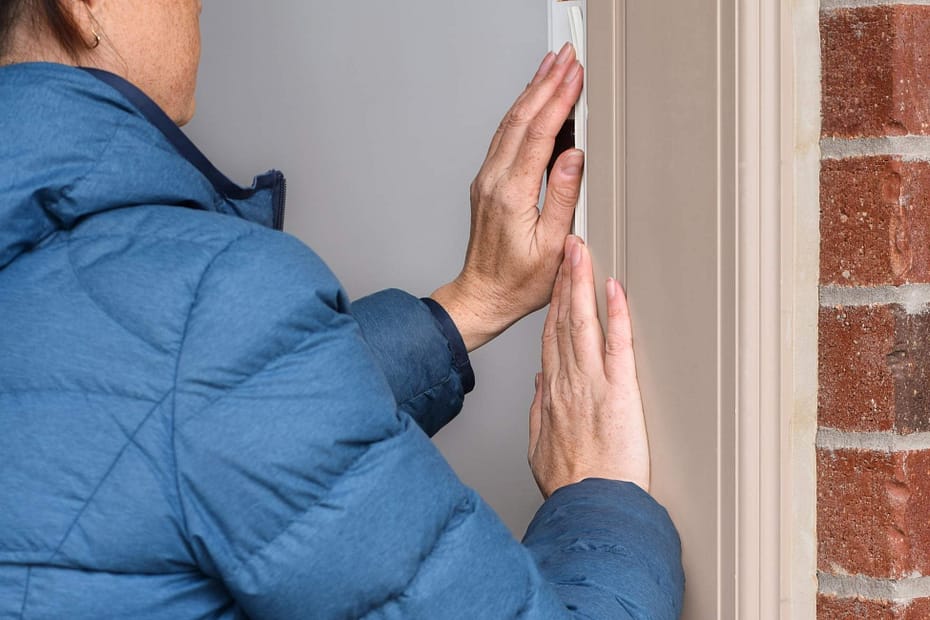
Your heating bill just arrived, and the number made you wince. That drafty front door might be the hidden culprit behind those sky-high energy costs, contributing to heat loss and silently letting your hard-earned money escape through gaps and cracks.
The good news? Front door insulation is one of the most cost-effective home improvements you can make. In this guide, we’ll show you simple DIY solutions and professional options that will keep your money in your pocket and your family comfortable year-round, including options for more insulation.
Understanding Front Door Insulation Basics
Exterior door insulation creates a thermal barrier that prevents air exchange between your home’s interior and outdoors. Unlike hidden wall insulation, door insulation must work while handling daily use and weather exposure.
The science centers on three principles: conduction (heat through materials), convection (air movement through gaps), and radiation (heat transfer through electromagnetic waves). This is why glass panels often become major energy loss points.
R-value measures insulation effectiveness – higher numbers mean better performance. Modern insulated doors range from R-5 to R-15, with higher values delivering superior energy savings.
Why Front Door Insulation Matters
Poor door insulation forces your HVAC system to work overtime during winter and summer, increasing energy consumption and shortening equipment lifespan. Beyond energy savings, proper insulation reduces outside noise, blocks dust and allergens, and increases your house value.
Energy efficiency features have become major selling points, with buyers seeking houses that promise lower utility costs and improved temperature control.
Signs Your Door Needs Better Insulation
Watch for warning signs, including drafts when standing near the closed door, visible daylight around the door frame, cold spots near the entrance, colder floors near the entrance, and unexplained energy bill spikes. For a quick test, use an incense stick around the door’s perimeter, as any smoke movement indicates air leakage that needs sealing.
Types of Door Materials and Insulation Properties
Solid Wood Doors
Solid wood naturally insulates but requires regular maintenance. Quality hardwood offers decent thermal performance but can warp over time, creating gaps that compromise insulation. Wood doors provide excellent durability but need proper weather seal treatment.
Fiberglass Doors
These offer excellent insulation with polyurethane foam cores. Fiberglass doors resist warping, don’t require frequent maintenance, and often achieve an R-value between R-5 to R-8. They handle moisture well and maintain their seal integrity.
Steel Doors
Metal doors with foam-filled cores provide good insulation and security. Look for thermal breaks to prevent heat transfer through the metal frame. These work well for garage connections and exterior applications.
Composite Doors
Multi-material construction combines wood, PVC, and insulation foam. These deliver superior thermal performance and weather resistance, creating an excellent seal against the elements. A great option for homeowners who want long-lasting durability with minimal upkeep.
uPVC Doors
A budget-friendly option with a multi-chamber design for decent insulation. While not the highest performing, they’re cost-effective for many homeowners and provide good weather resistance. A practical choice for those seeking value and energy savings on a tighter budget.
Exterior Doors: Special Considerations for Maximum Efficiency
Exterior doors face unique challenges, including temperature extremes, moisture, UV exposure, and frequent use while maintaining insulating properties, requiring specialized materials and installation techniques for long-lasting performance. The thermal performance of exterior doors directly impacts your home’s energy envelope since they connect conditioned indoor space to outdoors and experience the greatest temperature differential and air pressure changes.
When selecting exterior doors, prioritize models with insulated cores, thermal breaks in metal frames, and multiple weathering systems, as proper insulation and sealing are critical for energy efficiency. The investment in high-quality exterior doors pays dividends through reduced energy costs and improved home comfort throughout the year.
Exterior Door Installation and Upgrade Considerations
Upgrading your exterior door involves more than replacing the door slab, as the entire system, including frame, hardware, and weatherization components, must work together to create an effective thermal barrier. Professional installation ensures proper alignment, adequate insulation, and correct weatherization techniques since poor installation can compromise even high-quality doors, leading to air leaks and reduced efficiency.
Consider your house’s architectural style when selecting exterior door designs, as modern doors come in countless styles that enhance curb appeal while delivering superior energy performance. From traditional wood to contemporary fiberglass and steel options, today’s exterior doors offer both beauty and functionality.
Door Frame Inspection and Maintenance
The door frame serves as the foundation for your entire door system, and its condition directly affects insulation performance, as even the best-insulated door will fail if the frame has gaps, rot, or structural issues. Regular inspection should include checking for wood rot around the threshold and bottom corners where moisture accumulates, and looking for gaps between the frame and wall structure that represent major energy loss points.
Door frame maintenance involves properly sealing the space between the door frame and rough opening to prevent thermal bridging and air infiltration. Use expanding foam insulation in larger gaps, followed by interior and exterior caulking for a complete seal to ensure optimal performance.
Entry Doors: Balancing Style and Performance
Entry doors serve as both functional barriers and design statements, combining superior insulation properties with aesthetic appeal that complements your home’s architecture. Modern entry doors offer unprecedented customization options from decorative glass inserts to custom paint colors and hardware finishes while maintaining excellent thermal performance.
When evaluating entry doors, consider both immediate and long-term costs, as premium entry doors require a higher upfront investment but offer superior insulation, durability, and reduced maintenance that make them more economical over time. Factor in energy savings, reduced maintenance costs, and increased home value when making your decision.
Door Frames: Structural Integrity and Thermal Performance
Door frames provide the structural foundation that supports your door and creates the mounting surface for weatherization components, with their quality directly impacting door operation and insulation effectiveness. Wooden frames offer excellent insulation but require maintenance to prevent rot, steel frames provide superior strength but may need thermal breaks, and composite frames combine benefits while minimizing maintenance.
Proper installation includes shimming for square alignment, insulating around the perimeter, and ensuring adequate clearances for operation, as even minor misalignment can prevent proper closure and compromise weatherization effectiveness.
Weather Seal Technology and Applications
Modern weather seal technology provides comprehensive protection against air and water infiltration beyond traditional weatherstripping, with compression weather seal systems creating tight seals using the door’s weight and closing force to compress sealing materials against the frame. These systems work particularly well for heavy doors and high-traffic applications where durability is essential.
Magnetic weather seal systems use magnetic strips embedded in weatherstripping to create consistent sealing pressure along the entire door perimeter, ensuring uniform sealing even as weatherstripping materials age and compress over time. This technology maintains effectiveness throughout the weatherstripping’s lifespan for reliable performance.
Step-by-Step Guide for Door Weatherization Process
Begin by conducting a thorough assessment of your door and frame condition, documenting problem areas, and measuring gaps to identify needed weatherization components. Then gather all necessary tools and materials before beginning work to prevent delays and ensure professional results. Remove old weatherstripping and hardware as needed, clean all surfaces thoroughly for proper adhesion, and then follow the proper installation sequence, working from top to bottom and inside to outside. Finally, test door operation and weatherization effectiveness before completion, making necessary adjustments to ensure proper function and optimal sealing performance.
DIY Front Door Insulation Methods
Essential Tools and Materials
Tools needed:
- Utility knife
- Measuring tape
- Caulk gun
- Screwdriver
- Scissors
- Screws for hardware
Materials:
- Weatherstripping (foam, rubber, or vinyl)
- Door sweep
- Exterior-grade caulk
- Draft stopper
- Strip materials in various width options
Step 1: Weather Stripping Installation
Clean the frame thoroughly before applying, measure carefully, and cut strips to fit snugly without compression when the door closes, focusing on edges where air typically escapes. This ensures the weatherstripping forms an effective seal and improves energy efficiency.
Step 2: Install a Door Sweep
Attach to the door’s bottom edge, ensuring it makes contact with the threshold without dragging when opening. This creates a good seal at the only place where many existing doors lack proper weather seal protection.
Step 3: Caulk Gaps and Cracks
Use exterior-grade caulk around the door frames. Apply smooth, even beads and tools immediately for a professional appearance. Focus on areas where different materials meet, as these spots commonly develop gaps that compromise proper insulation.
Step 4: Address Special Areas
Install keyhole covers to block air leaks and add brush seals or magnetic closures to mail slots to prevent drafts. Apply weather strips around glass panels or consider storm door installation for extra protection to improve energy efficiency.
When to Call Professionals
Consider professional help for complete door replacement, structural modifications to the door jamb, complex installations requiring more insulation, and warranty requirements. Professional installation ensures proper fit and code compliance, and often includes warranties that protect your investment. They understand the details of proper sealing techniques.
Cost Analysis
Basic DIY weatherization materials typically cost $50-150, depending on door size and chosen materials, and most homeowners can complete basic insulation in 2-4 hours using simple steps. Professional weatherization services range from $200-500, while complete door replacement with professional installation runs $800-3,000+, depending on door quality and complexity.
Conclusion
Front door insulation represents one of the smartest investments you can make in your home’s energy efficiency. Whether you choose DIY weatherization or professional door replacement, the combination of immediate comfort improvements and long-term energy savings makes this upgrade a clear winner. The key to success lies in addressing all air leakage points systematically and choosing quality materials that match your climate and budget, and remember that even small improvements like basic weather stripping and door sweeps can deliver noticeable results for existing doors.
At Madison Door, we’ve helped countless homeowners transform their energy efficiency through professional door installation and expert guidance. When you’re ready to explore comprehensive solutions that combine superior insulation with enhanced security and curb appeal, contact us for a free quote and discover how the right front door can transform your home’s comfort and efficiency.
FAQs
What is the best material for the insulation front door?
The best material for insulation front door applications is fiberglass with polyurethane foam cores, as these doors offer superior thermal performance with R-values between R-5 to R-8 while resisting warping and requiring minimal maintenance.
What is the best insulated front door?
The best insulated front door is typically a fiberglass door with a polyurethane foam core and thermal breaks, though high-quality steel doors with foam-filled cores also provide excellent insulation and security. Look for doors with ENERGY STAR certification and R-values of R-6 or higher for optimal performance.
What is the door insulation called?
Door insulation is called weatherstripping when referring to the sealing materials around the frame, or thermal core/foam core when describing the insulation material within the door itself. Other components include door sweeps, weather seals, and caulking that collectively create the door’s thermal barrier.
How to tell if a front door is insulated?
You can tell if a front door is insulated by checking for manufacturer labels indicating R-values or thermal cores, feeling for consistent temperature across the door surface, and testing for drafts around the edges. Insulated doors typically feel solid and heavy due to their foam cores, while uninsulated doors may feel hollow when tapped.